
Golf carts, known for their leisurely pace, may not appear to pose significant dangers with their limited speed capacity. However, the reality is that these seemingly harmless vehicles can lead to severe, and in some cases, tragic accidents if not handled with caution. Unlike traditional automobiles, golf carts lack fundamental safety features. Without seatbelts, for example, occupants are more vulnerable to serious injuries in the event of a collision or mishap. Engaging the expertise of a proficient Georgia golf cart accident lawyer can assist in pursuing compensation for injuries incurred through no fault of your own.
In the unfortunate event of sustaining injuries in a golf cart accident, seeking legal recourse for damages may be a viable option. The Jewkes Firm’s legal team has over a decade of experience in advocating for injured individuals to secure the compensation they are entitled to. To explore your legal options further, reach out to us for a complimentary consultation either by phone at (770) 771-5130 or through our online platform.
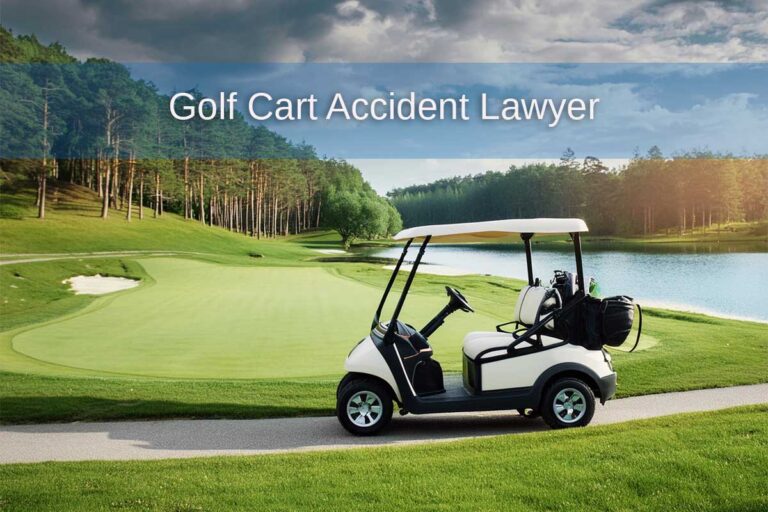
A legislative development in 2011, through Georgia Senate Bill 240, extended the permissions for golf carts to operate on roads with a speed limit of up to 20 miles per hour. The regulation stipulates that individuals possessing a valid driver’s license or permit can operate a golf cart independently. Moreover, minors aged 12 and above are allowed to drive a cart, supervised by a licensed driver who is 18 years old or older.
The integration of golf carts into road systems has amplified the potential for collisions with motor vehicles, thereby escalating the risks of severe injuries and fatalities associated with such incidents. While specific data on golf cart accidents in Georgia remains limited, national statistics offer compelling insights. Between 2007 and 2017, over 156,000 individuals sought emergency medical treatment following golf cart accidents, with injury rates exhibiting relative stability over the examined decade.
Notably, the incidence of traumatic brain injuries (TBIs) resulting from golf cart accidents varies across age groups. Children face a disproportionately higher risk compared to adults and older individuals. Thus, such injuries underscore the critical need for heightened awareness regarding the risks associated with golf cart operations.
The statistics presented can be quite overwhelming. The key point to understand is that golf carts are not as safe as commonly perceived. Regrettably, these risks are frequently overlooked, particularly in locations such as Peachtree City, where approximately 11,000 registered golf carts are utilized far more frequently than automobiles.

The nature and severity of injuries sustained in golf cart accidents are contingent on factors such as the speed of the cart, the location of the incident, and potential collisions with other vehicles. From minor bruises to life-altering trauma, the spectrum of injuries resulting from golf cart mishaps underscores the imperative of exercising caution and adhering to safety protocols while operating these vehicles.
In conclusion, the allure of golf carts as convenient modes of transportation should not overshadow the inherent risks they pose. By acknowledging and addressing these risks through informed decision-making and adherence to safety guidelines, individuals can mitigate the likelihood of accidents and safeguard against potential harm. Stay informed, stay vigilant, and prioritize safety on every ride.
The safety of passengers in a golf cart is greatly influenced by their seating position within the vehicle. Due to the absence of doors, limited bumper protection, and often the lack of seat belts, collisions with objects or other vehicles can result in severe, and sometimes fatal, injuries. The dynamics of the impact may lead to passengers being thrown from the cart or directly impacted by the collision.
Injuries commonly associated with golf cart accidents in Georgia include:

Golf cart accidents can take place in various settings, making it crucial to remain vigilant in these common locations where incidents are prone to happen:
A popular mode of transportation on golf courses, golf carts offer a convenient way to navigate the expansive greens. However, the lack of standardized safety training for golf cart drivers poses risks, especially in environments where alcohol consumption is prevalent.
Residents, particularly seniors, in residential areas often use golf carts to help them move around the neighborhood. While this can reduce the dependency on cars, the shared spaces with pedestrians require cautious driving to prevent accidents.
Some small towns integrate golf carts into their transportation systems, providing a cost-effective and versatile means of travel. Designated paths and lanes for golf carts enhance safety, especially in places like Peachtree City, Georgia, where these vehicles are widely used.
Driving golf carts on public roads alongside regular traffic can be hazardous due to the stark speed difference. With a maximum speed of 15 miles per hour, collisions with motor vehicles can have severe consequences for golf cart occupants.
Resorts frequently employ golf carts to ferry guests between accommodations and amenities. Inexperienced drivers pose risks to the operation of these vehicles if proper safety protocols are not followed.
By understanding the risks associated with golf cart usage and adopting appropriate safety measures, individuals can mitigate the likelihood of accidents and ensure a secure riding experience for all passengers. Stay informed, stay cautious, and prioritize safety on every golf cart journey.
If you’ve been injured, you need to hire the best legal care to assist you with your claim. Get a FREE consultation today!
Golf carts, often seen as leisure vehicles, can pose significant risks if not operated with caution and responsibility. When safety measures are ignored, the serene image of cruising around a golf course or neighborhood can quickly turn disastrous. Understanding the root causes of golf cart accidents in Georgia is crucial in promoting awareness and preventing future incidents.
The primary catalysts behind golf cart accidents typically stem from human error rather than mechanical failures. Whether it’s the operator’s misjudgment or the negligence of other drivers, these factors significantly increase the likelihood of accidents. When safety protocols are disregarded, the potential harm remains substantial, despite the modest speed range of 15 to 25 miles per hour. Typical causes of golf cart accidents in Georgia include:
If you find yourself involved in a golf cart accident in Georgia, seeking legal guidance promptly is crucial. Whether you have sustained injuries due to a collision or the actions of a negligent operator, securing professional legal representation can ensure you receive the compensation you deserve for your losses.
Navigating insurance claims related to golf cart accidents can be complex, as these vehicles may not always fall under the conventional definition of “motor vehicles.” By enlisting the support of seasoned golf cart injury attorneys like those at The Jewkes Firm, you can assert your rights and pursue the appropriate compensation for your damages.
With a wealth of experience in handling golf cart accident cases, The Jewkes Law Firm stands ready to advocate for your best interests. Whether you need assistance with insurance negotiations or legal proceedings, our dedicated team is here to guide you through the process.
For expert legal counsel and support following a golf cart accident in Georgia, contact The Jewkes Firm at (770) 771-5130 or reach out online to schedule a complimentary consultation. Let us help you navigate the complexities of your case and secure the compensation you rightfully deserve.
When it comes to cruising around in your golf cart in Georgia, ensuring safety is key. From meeting specific regulations to understanding licensing requirements and insurance coverage, being informed is crucial for a smooth ride. By understanding and adhering to safety regulations, licensing requirements, insurance coverage, and liability considerations, you can enjoy a safer and more secure golf cart experience in Georgia.
In Georgia, regulations stipulate that golf carts should not exceed 1,375 pounds in weight, as per a statute enacted in 2011. However, the actual weight of golf carts can vary significantly, ranging from 500 to 1,100 pounds based on make and model. Typically, a standard two-passenger golf cart weighs around 750 pounds, while electric variants tend to be heavier at approximately 925 pounds for a two-passenger configuration.
Safety Regulations. Regarding road usage, Georgia permits the operation of golf carts on public roads at speeds up to 20 miles per hour, offering a convenient means of transportation within designated areas.
To ensure compliance, your golf cart in Georgia must adhere to safety regulations. This includes having essential features such as seat belts and tail lights. In some areas of Georgia, dedicated golf cart lanes, akin to bike lanes, exist to enhance safety during your commute. Exercise caution when driving near cars, as accidents can pose significant risks of injury.
License Requirements. In Georgia, drivers operating a golf cart independently must possess a valid driver's license. The minimum age requirement is 16 years, with individuals legally permitted to drive a car. However, individuals over 12 years old can drive a golf cart under the supervision of a licensed driver above 18 years old, both on roadways and golf courses.
Adults must exercise caution when permitting children to operate golf carts on roadways. These heavily trafficked areas can pose significant dangers, particularly for those unfamiliar with the rules of the road.
Insurance Coverage. The coverage of golf cart accidents under car insurance depends on ownership. If you own the golf cart, your homeowner's insurance might offer limited protection. Opting for specialized golf cart insurance is advisable to safeguard against vehicle damage and personal injury, for both yourself and others involved in case of an accident. While homeowner's insurance covers golf carts on golf courses, golf cart insurance extends protection to city streets and golf courses.
Liability in Accidents. Determining liability in a golf cart accident involves various factors. Often used on private property and maintained by third parties, these circumstances can influence fault attribution. Some common scenarios include:
The Jewkes Firm is well-versed in effectively challenging major insurance companies on your behalf to secure the highest settlement permissible by law. Our primary objective is to ensure your optimal recovery. It is only after this point that we assess the worth of your case.
The timeframe for filing an injury case, also known as the statute of limitations, can vary significantly. As per OCGA §9-3-33, you are granted a two-year period from the date of your injuries or the passing of a family member to initiate your personal injury claim.
There is no upfront cost associated with hiring a personal injury lawyer. Our fees are based on a percentage of your settlement, meaning you only pay if we successfully recover compensation. Our top priority is ensuring your well-being and helping you return to your normal life.
A personal injury lawyer aims to establish negligence and seek restitution for the harm caused by the liable party. Additionally, you may be entitled to compensation for funeral costs, medical expenses, and income lost if you are a family member of someone who died as a result of an injury.