
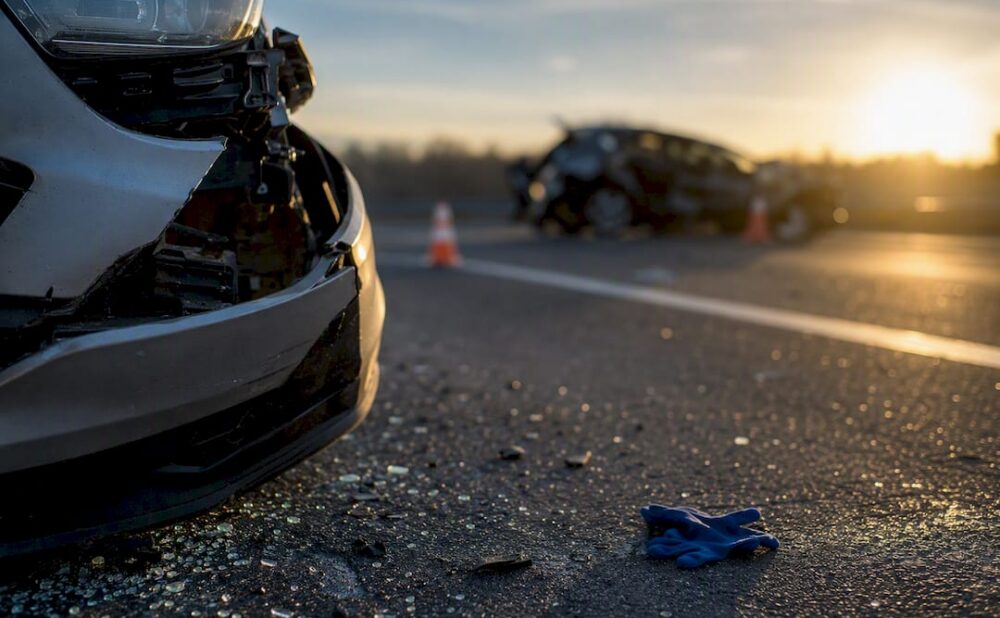
Bodily injury liability pays for another person’s medical bills, lost wages, and pain and suffering after a crash you caused. Property damage liability pays to repair or replace their car, fence, or building. Both draw from the same auto policy, but they run on separate limits, and understanding the split between bodily injury vs property damage determines how much protection you actually have when a serious wreck happens.
Key Takeaways
- Bodily injury liability covers a range of damages including medical expenses, lost wages, and pain and suffering, often with limits like 25/50.
- Property damage liability includes damage to vehicles, fences, buildings, and even transportation costs for the other driver while repairs occur.
- Claims for property damage tend to resolve quickly, within weeks, whereas bodily injury claims often take months or years due to ongoing treatment and future costs.
- Higher policy limits, such as 100/300/100, are recommended over state minimums to better protect against severe injuries and underinsured drivers.
- Serious bodily injury claims almost always require legal representation, especially when fault is disputed or long-term medical costs are involved.
Table of Contents
- What Does Bodily Injury Liability Cover?
- What Does Property Damage Liability Cover?
- How Do BI and PD Claims Differ in Practice?
- Understanding Policy Limits and State Minimums
- What Happens During the BI and PD Claims Process?
- When Should You Contact an Attorney for a BI or PD Claim?
- An Attorney’s Take on What Matters First
- Get a Free Case Evaluation
- Sources
What Does Bodily Injury Liability Cover?
Bodily injury liability, often shortened to BI, pays for the losses another person suffers when you’re found at fault for an accident. It covers a broad range of harm, not just an emergency room bill.
- Medical expenses, from the ambulance ride through follow-up surgery
- Lost wages while the injured person can’t work
- Future care costs, including physical therapy or long-term rehabilitation
- Pain and suffering, a non-economic damage tied to how the injury affected daily life
- Wrongful death benefits if the crash proves fatal
BI limits typically appear as split numbers, like 25/50, indicating per person and per accident caps without specific numeric amounts. If you injure two people and each racks up $30,000 in medical bills, the per-person cap of $25,000 means each of them collects only $25,000 from your policy, even though your per-accident limit of $50,000 hasn’t been reached. That gap between what’s owed and what the policy pays becomes the injured party’s problem, and often the start of a lawsuit against you personally.
It’s worth clearing up a point of confusion: BI does not pay for your own injuries. Liability coverage protects the other driver, not you; your own medical costs come from personal injury protection (PIP) or medical payments coverage, which is a completely separate line on your policy.
Statistic Callout: Bodily injury claims often settle far higher than property damage claims because future medical costs and pain-and-suffering awards get added to the bill, according to Casey Insurance Companies. A fender bender might cost a few thousand dollars to fix. A broken femur with six months of physical therapy can run into six figures before anyone even discusses pain and suffering.
What Does Property Damage Liability Cover?
Property damage liability, or PD, pays for physical property you damage that belongs to someone else. That’s a wider category than most drivers assume.
- The other driver’s vehicle, including diminished value in some states
- Fences, mailboxes, and utility poles you strike
- Buildings, garages, or storefronts in a collision
- Landscaping, irrigation systems, and other fixed property
- Loss of use, meaning a rental car for the other driver while their vehicle is repaired
That rental reimbursement surprises a lot of policyholders. Many don’t realize PD liability often covers transportation costs for the other party while their car sits in the shop, not just the repair bill itself.
PD has clear boundaries, though. It never pays for damage to your own vehicle, that’s what collision coverage is for. It doesn’t apply if the damaged property was already in your care, custody, or control, which is why a rented trailer you’re hauling isn’t covered the same way a stranger’s fence is. And it won’t touch damage you caused on purpose. As one industry source puts it, a persistent misconception is that PD somehow protects your own car. It doesn’t, and it never has.
How Do BI and PD Claims Differ in Practice?
Property damage claims move fast because the math is simple: get an estimate, compare it to the repair invoice, cut a check. Bodily injury claims move slower because the value of an injury isn’t fixed the day it happens.
- Timeline: PD often resolves in days to a few weeks; BI can take months, sometimes years, especially with ongoing treatment.
- Evidence type: PD relies on repair shop estimates and photos; BI relies on medical records, billing statements, and sometimes expert testimony about future care needs.
- Settlement size: PD claims are capped by actual repair or replacement cost; BI claims can include projected future losses that inflate the number well beyond current bills.
- Litigation risk: PD disputes are usually about valuation, minor and settled through negotiation; BI disputes involve liability, causation, and damages, three separate fights that can each end up in court.
Pro Tip: If a BI claim involves a serious injury, don’t assume the insurer’s first offer reflects your future medical needs. Adjusters calculate present value, not what you’ll actually need two years from now.
Policy structure also shapes who absorbs the shortfall. Under split limits, exhausting the per-person BI cap while the PD bucket sits untouched still leaves the victim underpaid on medical costs. Under a combined single limit, all the money sits in one pool, which gives more flexibility when injuries are severe but property damage is minor, or the reverse.
Understanding Policy Limits and State Minimums
Insurance limits get written two ways. Split limits break coverage into three numbers, like 25/50/25: $25,000 per person for BI, $50,000 per accident for BI, and $25,000 for PD. A combined single limit (CSL) pools BI and PD into one number, say $100,000, that pays out for either type of damage without separate caps.
State minimums vary considerably, and they’re rarely enough for a serious wreck. Texas requires drivers to carry 30/60/25, meaning $30,000 per person, $60,000 per accident for BI, and $25,000 for PD. Other states set lower or differently structured minimums, so the coverage that satisfies the law in one state may fall short after a move across state lines.

In no-fault states, personal injury protection pays your own medical bills first, which limits when you can bring a BI claim against the other driver unless your injuries cross a specific severity threshold. That’s a meaningfully different process than the fault-based system used in states like Georgia.
Statistic Callout: Financial advisors commonly recommend limits closer to 100/300/100 as a safer baseline than the state minimum, and an umbrella policy adds another layer of protection once standard limits run out. Given how many drivers on the road carry only bare-minimum coverage or none at all, tracked through data from the Insurance Information Institute, higher limits protect you both as a driver who might cause harm and as someone who might be hit by an underinsured one.
What Happens During the BI and PD Claims Process?
The steps you take in the first hour after a crash shape both claims that follow.
- Get safe and get care. Move out of traffic if possible and call 911 for injuries, no matter how minor they seem at first.
- Exchange information and document the scene. Photograph vehicle positions, damage, license plates, and any visible injuries before anything gets moved or repaired.
- File a police report. This becomes the backbone of both the PD and BI claim, especially when fault is disputed.
- Gather PD evidence. Repair estimates, shop invoices, and pre-accident vehicle value all matter for a fair payout.
- Gather BI evidence. Medical records, billing statements, proof of missed work, and, in serious cases, an expert opinion on future care needs.
- Expect the insurer to investigate. Adjusters review the police report, statements, and repair or medical documentation before issuing an offer, and this stage is where lowball offers and unexplained delays tend to surface.
PD claims usually clear this process in a matter of weeks. BI claims often stall until treatment is complete, because settling too early can mean signing away your right to claim costs for care you haven’t received yet.
When Should You Contact an Attorney for a BI or PD Claim?
Most straightforward property damage claims don’t need a lawyer. Serious bodily injury claims usually do, and the warning signs are consistent: the insurer disputes fault, an offer comes in below your actual medical bills, your injury requires long-term care, or a fatality is involved. Bad faith tactics, like unreasonable delays or lowball pressure, are another clear signal.
An experienced personal injury attorney preserves evidence before it disappears, negotiates directly with adjusters trained to minimize payouts, retains medical or accident-reconstruction experts when needed, and files suit if a fair settlement never materializes. These cases are often handled on a contingency fee basis, meaning clients pay nothing unless the case wins, starting with a free consultation to evaluate what the claim is actually worth.

An Attorney’s Take on What Matters First
The instinct after a crash is to start negotiating immediately. That’s backwards. Safety and evidence preservation come first, then medical treatment, then claim strategy. Giving a recorded statement to an insurer before you understand the full scope of your injuries is one of the costliest mistakes we see, especially in BI cases where early numbers rarely reflect long-term costs. Our Personal Injury Checklist 2026 walks through the order that actually protects a claim.
Get a Free Case Evaluation
Legal representation is the option that costs nothing to explore before you decide anything, unlike hiring outside counsel by the hour or negotiating alone against an insurer’s adjuster. Many cases start with a free consultation, and representation often runs on a contingency fee, so you pay nothing unless compensation is recovered.

Whether you’re dealing with a bodily injury claim tied to serious medical treatment, a disputed property damage estimate, or both at once, our attorneys have handled these claims throughout South Atlanta and the surrounding Georgia counties, from straightforward fender benders to complex trucking crashes and wrongful death cases. If an insurer’s offer feels low, or fault is being disputed, don’t sign anything yet. Visit our case evaluation page or call our office today to have your claim reviewed at no cost.
Sources
This article is general information, not a substitute for advice from a qualified lawyer. Consult a qualified legal professional about your own circumstances before acting on anything here.