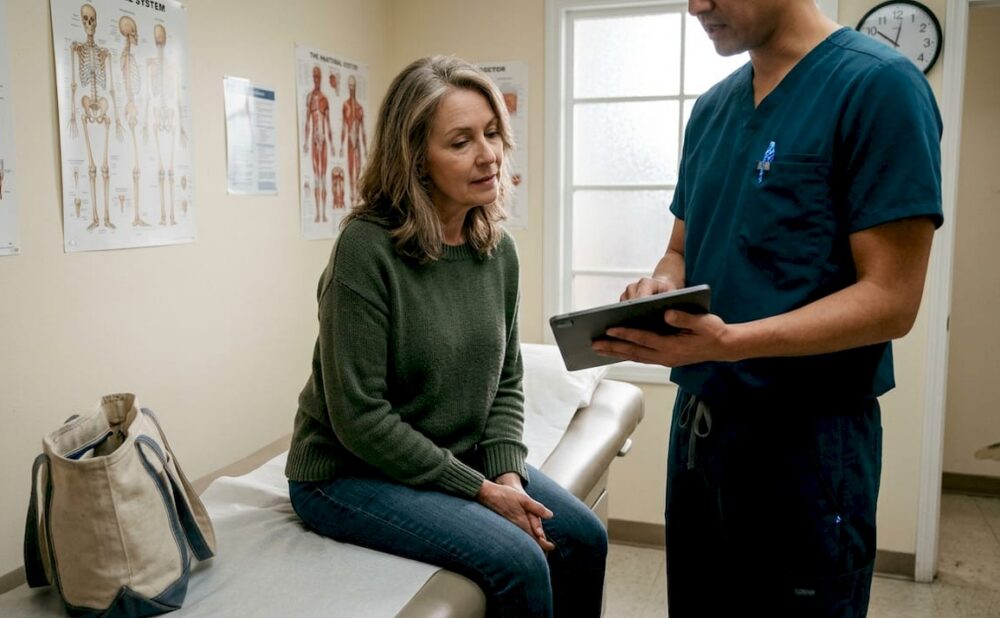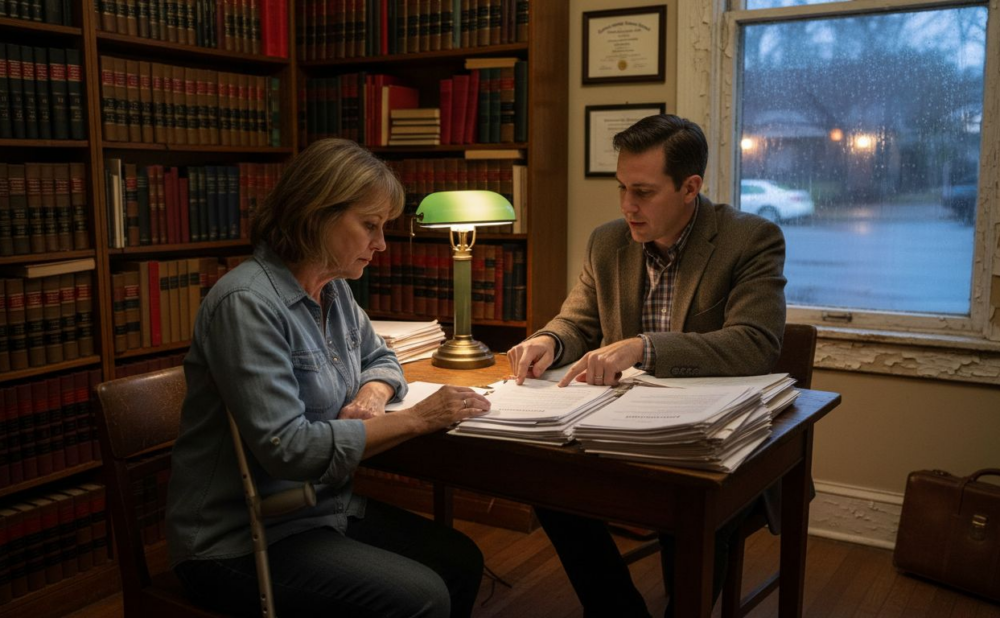

A slip and fall can turn an everyday moment into a life-altering event. Sudden pain, confusion, or swelling might appear right after the incident—or even hours later—making it tough to know which injuries need immediate attention. Whether you’re dealing with head trauma, broken bones, or soft tissue damage, prompt recognition and the right first steps can make all the difference for your recovery.
This guide gives you practical insights to help spot the warning signs, understand the risks, and take control in those critical moments after a fall. As you read, you’ll discover exactly what symptoms demand urgent care and how to respond swiftly to protect your health. Get ready to learn proven strategies that could save you weeks of pain or prevent lasting complications.
Table of Contents
- Head Injuries And Concussions: What To Watch For
- Broken Bones: Common Fractures From Falls
- Back And Spinal Injuries: Understanding The Risks
- Sprains And Strains: Recognizing Soft Tissue Damage
- Cuts, Bruises, And Abrasions: Immediate First Steps
- Hip Injuries: Detecting Serious Impacts Early
Quick Summary
| Takeaway | Explanation |
|---|---|
| 1. Seek immediate medical evaluation after a fall. | Symptoms of head injuries and concussions can develop later, so consulting a doctor promptly is crucial for recovery. |
| 2. Understand the types of fractures. | Different fracture types, including transverse and comminuted, require varying levels of medical care; recognize symptoms to seek help. |
| 3. Numbness or weakness indicates urgency. | These symptoms after a fall may signify spinal cord damage, necessitating immediate medical attention to prevent permanent injury. |
| 4. Apply RICE for soft tissue injuries. | The RICE method—Rest, Ice, Compression, Elevation—helps manage pain and swelling for sprains and strains effectively. |
| 5. Respond quickly to cuts and abrasions. | Proper first aid within minutes can prevent infection and promote faster healing after skin injuries from falls. |
1. Head Injuries and Concussions: What to Watch For
A slip and fall can happen in seconds, but the impact on your head can last much longer. Head injuries range from minor bumps to serious brain trauma, and knowing what to watch for could make all the difference in your recovery.
When you hit your head during a fall, you might feel fine immediately. That’s the dangerous part. Head injury symptoms can appear right away or develop hours or even days later, catching you off guard when you least expect it.
Recognizing Immediate Warning Signs
After a slip and fall, watch for these critical symptoms in yourself or someone else:
- Headaches that worsen or won’t go away
- Dizziness or loss of balance
- Nausea or vomiting
- Confusion or difficulty thinking clearly
- Vision changes or blurred sight
- Sensitivity to light or noise
- Loss of consciousness (even brief)
If you experience any of these symptoms after a fall, seek medical evaluation immediately, even if the injury seems minor at first.
Many people underestimate concussions, which are mild traumatic brain injuries that affect how your brain functions. You don’t need to lose consciousness to have a concussion. In fact, concussion symptoms often include memory problems, difficulty concentrating, headaches, and confusion that may appear gradually over time.
This is especially concerning for children, whose symptoms can be subtle and easy to miss. A child might seem okay but struggle in school or complain of persistent headaches days after their fall.
Why timing matters: Your brain doesn’t always show injuries immediately. What feels like a simple bump today could develop into something serious by tomorrow, which is why medical evaluation after any significant head trauma is essential.
Pro tip: Document everything after your fall—when you hit your head, what happened, and any symptoms that develop in the following days. This record becomes critical evidence if you need to pursue a claim for your injuries.
2. Broken Bones: Common Fractures From Falls
Broken bones are one of the most common injuries from slip and fall accidents, and they can range from minor cracks to severe breaks requiring surgery. When you fall, the force of impact can exceed what your bones can withstand, resulting in a fracture that needs immediate medical attention.
Not all broken bones look or feel the same. Understanding the different types helps you recognize when you need emergency care versus when a doctor’s visit will suffice.
Types of Fractures You Should Know About
Common fracture types vary in severity and how they affect your body. Here are the ones most commonly seen after falls:
- Transverse fractures break straight across the bone
- Oblique fractures break at an angle
- Greenstick fractures are incomplete breaks, like bending a green twig
- Comminuted fractures shatter bone into multiple pieces
- Stress fractures develop from repeated pressure over time
There’s also a critical distinction between open and closed fractures. An open fracture means the bone has pierced through your skin, creating a visible wound. This is a medical emergency requiring urgent care to prevent infection and serious complications.
A closed fracture keeps the bone break contained under intact skin, but it can still be serious depending on which bone is broken and how badly.
Watch for sudden severe pain, significant swelling, visible deformity, or inability to move or bear weight on the injured area—these are clear signs you need immediate medical evaluation.
Symptoms appear quickly after a fall. You might experience sudden sharp pain, swelling that develops within minutes, bruising, and inability to use the affected limb normally. Your body’s response is immediate and unmistakable.
Prompt treatment matters tremendously. Depending on the fracture type and severity, treatment options range from casting and splinting to surgical repair. Getting proper care early prevents complications like infection, improper healing, or chronic pain that could affect you for years.
Pro tip: Immobilize the injured area immediately after your fall—use a makeshift sling, pillow, or ice pack to reduce movement and swelling before you reach the hospital, which significantly improves healing outcomes.
3. Back and Spinal Injuries: Understanding the Risks
Your spine is incredibly complex and vulnerable. When you take a hard fall, your back and spinal cord can suffer injuries ranging from minor muscle strains to catastrophic fractures that alter your life permanently.
Back injuries from falls happen faster than you might expect. A single misstep on an uneven surface or moment of unstable footing can result in damage that affects you for years, making it crucial to understand what symptoms demand immediate attention.
Why Back and Spine Injuries Are Serious
Slip and fall injuries frequently cause back and spinal damage because your spine absorbs tremendous impact force when you fall. The vertebrae, discs, and spinal cord all face potential injury depending on how you land and the force involved.
Older adults face special vulnerability due to fragile bones and pre-existing conditions like osteoporosis. A fall that might cause a minor strain in a younger person could fracture vertebrae in someone over sixty-five, leading to permanent disability or chronic pain.
Warning Signs You Cannot Ignore
Some back injury symptoms appear immediately. Others develop over hours or days as swelling and inflammation increase. Watch carefully for these red flags:
- Severe back pain that doesn’t improve with rest
- Numbness or tingling in your legs or feet
- Weakness that prevents normal movement
- Loss of bladder or bowel control
- Difficulty walking or loss of sensation
If you experience numbness, weakness, or loss of bladder control after a fall, seek emergency medical care immediately—these indicate possible spinal cord damage requiring urgent intervention.
The difference between a treatable strain and serious spinal cord damage often comes down to speed of treatment. Delays in diagnosis and care can lead to permanent neurological damage that could have been prevented with prompt medical intervention.
Spinal injuries require specialized imaging like MRI or CT scans to fully assess the damage. Your doctor needs to understand not just where the injury is, but how it affects nerve function and your long-term mobility and quality of life.
Pro tip: After any significant fall, avoid moving your back or neck unnecessarily until a medical professional clears you—improper movement can worsen spinal injuries before they’re even diagnosed.
4. Sprains and Strains: Recognizing Soft Tissue Damage
Not every slip and fall results in a broken bone. Many injuries damage the soft tissues surrounding your joints and muscles instead—ligaments, tendons, and muscle fibers that are just as important to your mobility and recovery.
Sprains and strains are incredibly common after falls, and while they might seem minor compared to fractures, they can cause significant pain, swelling, and long-term complications if not treated properly.
Understanding the Difference
These two injuries sound similar but affect different parts of your body. A sprain involves ligaments, which are the tough bands connecting bones in your joints. A strain affects muscles or tendons, the structures that attach muscle to bone.
When you twist your ankle during a fall, you’re likely spraining the ligaments around that joint. When you stretch a muscle too far or tear muscle fibers, that’s a strain. Both hurt. Both swell. Both need proper treatment.
Common soft tissue injuries most frequently occur in ankles, knees, and wrists because these areas absorb so much impact force during a fall. Your body instinctively tries to catch itself, putting tremendous stress on these vulnerable joints.
Recognizing the Symptoms
You’ll know something is wrong immediately. Watch for these telltale signs:
- Sudden pain at the injury site
- Swelling that develops within minutes or hours
- Bruising or discoloration
- Limited movement or inability to bear weight
- Instability or feeling like the joint is loose
Swelling and bruising indicate your body is responding to tissue damage—ice and compression can minimize these symptoms, but medical evaluation ensures you haven’t torn ligaments or muscles requiring advanced treatment.
The initial treatment follows the RICE approach: Rest, Ice, Compression, and Elevation. This protocol reduces swelling and pain significantly during those first critical hours after your injury.
However, severity varies widely. Some sprains are mild grade one injuries that heal with conservative care. Others involve torn ligaments requiring immobilization, physical therapy, or even surgery. Only a medical professional can determine the difference through proper examination and imaging.
Severe cases left untreated can lead to chronic instability, where your joint becomes permanently loose and prone to re-injury. This is why proper initial care matters so much.
Pro tip: Apply ice for the first 20 minutes after your fall, then wait 40 minutes before applying again—this ice-rest cycle minimizes swelling more effectively than continuous icing throughout the day.
5. Cuts, Bruises, and Abrasions: Immediate First Steps
When you hit the ground during a slip and fall, your skin bears the brunt of impact. Cuts, bruises, and abrasions are the most visible injuries, but they require proper immediate care to prevent infection and scarring.
These injuries might seem minor compared to fractures, but how you treat them in the first few minutes makes a real difference in healing speed and preventing complications.
Know What You’re Dealing With
Each type of injury needs slightly different care. An abrasion is a scrape where the skin surface gets rubbed away. A bruise forms when blood vessels under intact skin rupture from impact. A cut is an actual break in the skin that may bleed.
They all hurt, they all look bad, and they all need attention. The good news is that most respond well to basic first aid applied immediately after your fall.
Immediate Care Steps That Matter
Time is your ally. The faster you treat these injuries, the better your outcomes. Here’s what to do right after your fall:
- Stop the bleeding by applying gentle pressure with a clean cloth
- Wash your hands before touching the wound
- Rinse the injury thoroughly with cool running water
- Clean away dirt, debris, and broken skin gently but completely
- Apply antibiotic ointment to prevent infection
- Cover with a sterile bandage or dressing
Proper wound care minimizes infection risk and promotes faster healing. Don’t skip the cleaning step even if it stings. Dirt and debris left in the wound can cause serious infections.
Watch for signs of infection over the next few days: increasing redness, swelling, warmth, pus, or pain that worsens instead of improving. These require medical attention.
Check your tetanus vaccination status. If you haven’t had a tetanus shot in more than ten years, or if your wound is deep or contaminated, you may need a booster shot. Tetanus is serious and preventable.
For deep wounds that won’t stop bleeding after ten minutes of pressure, or cuts that gape open, seek professional medical care. Those require stitches or other interventions you can’t handle at home.
Pro tip: Take clear photos of your injuries immediately after they occur, before swelling increases and bruising develops—these timestamped images become valuable documentation if you need to file an insurance or legal claim.
6. Hip Injuries: Detecting Serious Impacts Early
Your hip is one of the most critical joints in your body, bearing your weight and enabling mobility. A serious hip injury from a slip and fall can change your independence and quality of life dramatically, making early detection absolutely essential.
Hip fractures are particularly common in older adults whose bones may already be weakened by osteoporosis or age. Even a relatively minor fall can cause a fracture that requires surgery and months of recovery.
Understanding Hip Injury Severity
Not all hip pain after a fall means a fracture. However, certain warning signs demand immediate medical evaluation. The difference between treating a hip injury quickly versus delaying care can mean the difference between returning to normal life and facing permanent disability.
Your hip joint is complex. It connects your femur (thighbone) to your pelvis in a way that allows weight-bearing and movement. When that connection is damaged, nothing works right.
Critical Symptoms to Never Ignore
If you experience any of these after a fall, seek immediate medical care:
- Severe pain in your hip or groin area
- Inability to bear weight or stand on that leg
- Swelling or bruising around the hip
- Leg that appears shorter than the other
- Outward rotation of the leg or foot
- Muscle spasms or inability to move the hip
Hip fracture symptoms often appear immediately and unmistakably. You won’t wonder if something is wrong. The pain is acute and movement becomes impossible.
A hip fracture is a medical emergency requiring prompt surgical treatment. Delays increase the risk of serious complications including blood clots, pneumonia, and permanent immobility.
Early detection through imaging like X-rays or MRI is vital. Your doctor needs to understand exactly where the fracture is located and how severely the bone is damaged to determine the best surgical approach.
Risk factors make some people more vulnerable. Osteoporosis, certain medications that affect bone density, and balance problems all increase your likelihood of breaking your hip from a fall. If you have these risk factors, be extra cautious after any fall.
Recovery from a hip fracture involves surgery, physical therapy, and months of gradual rehabilitation. The faster you get treatment, the better your outcomes and the sooner you return to activities you love.
Pro tip: After a fall, if you experience hip pain but can still bear some weight, immobilize the area with pillows and have someone drive you to the hospital for evaluation—never attempt to walk on a potentially fractured hip.
Below is a comprehensive table summarizing the key topics, warnings, types, and outcomes of injuries discussed in the article “Head Injuries and Concussions: What to Watch For.”
| Injury Type | Key Symptoms | Importance of Immediate Care |
|---|---|---|
| Head Injuries/Concussion | Persistent headaches, nausea, confusion, sensitivity to light | Prevent worsening of potential brain damage |
| Bone Fractures | Pain, swelling, deformity, inability to bear weight | Ensures proper alignment and healing |
| Spinal Injuries | Severe back pain, numbness, weakness, loss of bladder control | Prevents permanent nerve damage and paralysis |
| Soft Tissue Injuries | Sudden pain, swelling, limited movement, joint instability | Minimize long-term complications and joint recovery |
| Cuts and Abrasions | Bleeding, redness, signs of infection | Prevents infections and promotes healing |
| Hip Injuries | Severe hip or groin pain, leg deformity, inability to move | Reduces complications and aids swift recovery |
Protect Your Rights After a Slip and Fall Injury
Slip and fall accidents can cause serious injuries like head trauma, broken bones, spinal damage, and soft tissue harm that impact your life long after the incident. If you or a loved one is facing overwhelming medical bills, pain, or uncertainty after such an injury, you need trusted legal support that understands these challenges inside and out. The Jewkes Firm specializes in personal injury cases including slip and falls, helping clients in South Atlanta and surrounding areas secure the compensation they deserve.

Don’t wait to protect your future. Contact the experts at The Jewkes Firm for a free consultation and learn how our experienced attorneys work on a contingency fee basis so you pay nothing unless we win your case. Visit our website today to discover how we have helped countless clients recover millions through dedicated, client-focused legal representation. Start your path to justice now and hold negligent parties accountable for your injuries.
Frequently Asked Questions
What are the primary types of injuries that occur from slip and fall accidents?
The primary types of injuries from slip and fall accidents include head injuries, broken bones, back and spinal injuries, sprains and strains, cuts and bruises, and hip injuries. Understanding these injuries helps you recognize their symptoms and respond appropriately after a fall.
How can I identify a concussion after a slip and fall?
To identify a concussion, watch for symptoms such as headaches, dizziness, confusion, or changes in vision that appear after your fall. Seek medical evaluation immediately if you experience any of these symptoms to ensure timely care and recovery.
What should I do immediately after sustaining a suspected fracture from a fall?
If you suspect a fracture, immobilize the affected area and avoid putting weight on it. Apply ice to reduce swelling and seek medical attention as soon as possible for proper diagnosis and treatment.
How do I recognize signs of soft tissue injuries like sprains or strains?
Signs of soft tissue injuries include sudden pain, swelling, bruising, and limited movement at the site of injury. Apply ice, rest, and compress the area, then consult a healthcare provider for evaluation and possible treatment.
What immediate care is needed for cuts and abrasions from a slip and fall?
Clean cuts and abrasions immediately by rinsing the injury with cool running water and applying gentle pressure to stop any bleeding. Apply antibiotic ointment and cover the wound with a sterile bandage to reduce the risk of infection.
When should I seek emergency medical care after a fall?
Seek emergency medical care if you experience severe pain, inability to move the injured area, numbness or tingling, or loss of bladder control after a fall. Timely intervention can prevent serious complications from injuries like fractures or spinal damage.