
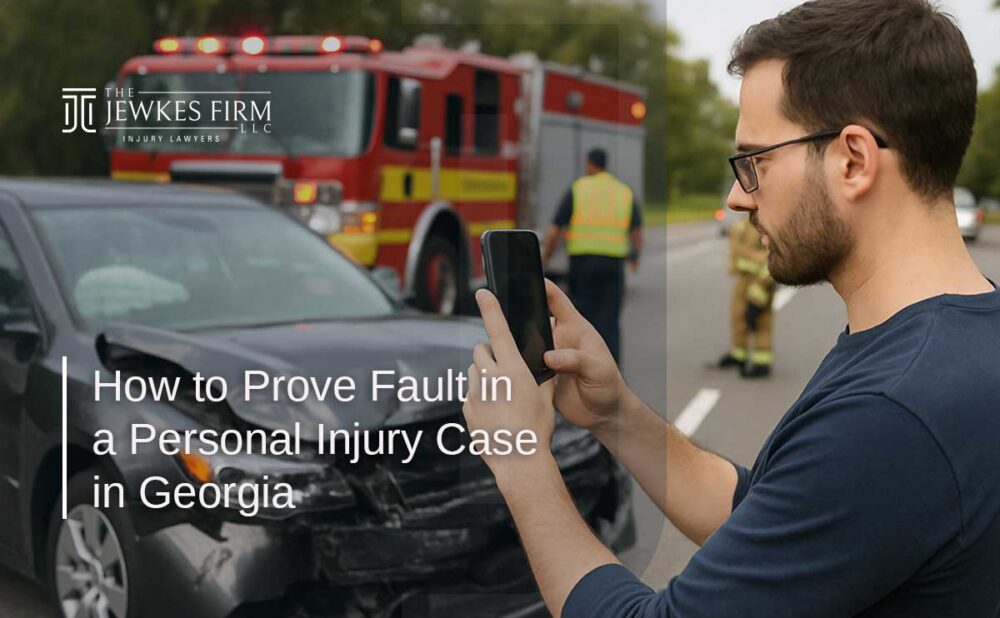
How to Prove Fault in a Personal Injury in Georgia
When you suffer an injury due to someone else’s actions, one of the most critical steps in pursuing a personal injury claim is proving fault. Establishing fault—or legal responsibility—is fundamental to winning compensation for your injuries and damages. At jewkesfirm, led by Attorney Jordan Jewkes, we understand how complex and daunting this process can be, especially under Georgia law. This comprehensive guide explains how fault is proven in a personal injury case, the types of evidence required, and the crucial role witnesses and documentation play.
Understanding Fault and Negligence Under Georgia Law
Before diving into specifics, it’s important to understand the legal concept of fault within Georgia’s personal injury framework. Georgia follows a fault-based system for personal injury claims, meaning the person or party who caused the injury is responsible for compensating the injured party.
The legal foundation for establishing fault in Georgia is the doctrine of negligence. Negligence occurs when someone fails to exercise the level of care that a reasonable person would in similar circumstances, causing injury to another person. In a personal injury case, the plaintiff (injured party) must prove that the defendant (accused party) was negligent and that this negligence caused the injury.
Injured Due To Negligence? Contact Us For A Free Consultation
Injured Due To Negligence?
The Four Elements of Negligence
To prove fault in a Georgia personal injury case, your attorney must establish all four elements of negligence:
- Duty. The defendant owed a legal duty of care to you. For example, drivers have a duty to operate their vehicles safely and follow traffic laws.
- Breach of Duty. The defendant breached this duty by failing to act as a reasonable person would. For instance, speeding, running a red light, or failing to maintain premises safely can all constitute breaches.
- Causation. The defendant’s breach of duty directly caused your injuries. Without causation, even a breach of duty will not result in liability.
- Damages. You suffered actual harm, such as physical injury, financial loss, or emotional distress, as a result of the defendant’s actions.
If even one of these elements cannot be proven, fault and liability may not be established.
Evidence Needed to Prove Liability in Georgia Personal Injury Cases
Proving these elements requires gathering and presenting compelling evidence. The quality and quantity of evidence can significantly impact your claim’s success.
Physical Evidence and Scene Documentation
In cases like car accidents or slip-and-fall injuries, physical evidence and documentation from the scene are vital. Examples include:
- Photographs/Videos. Capturing the accident scene, vehicle damage, road conditions, lighting, weather, and visible injuries helps recreate what happened. Photographs from your phone or a witness can be invaluable.
- Police Reports. In motor vehicle accidents or incidents involving law enforcement, police officers prepare reports that document their findings, citations issued, and statements from involved parties. While not conclusive, police reports carry substantial weight.
- Surveillance Footage. If the accident occurred near businesses or public areas with cameras, video footage can provide an objective account.
- Physical Objects. Damaged vehicles, defective products, or unsafe building elements can be preserved as evidence.
Medical Records and Expert Evaluations
To prove injury (damages) and causation, medical documentation is critical. This includes:
- Emergency Room and Hospital Records. These records establish the seriousness and nature of injuries.
- Physician Evaluations and Treatment Notes. Show the timeline and extent of treatment, diagnoses, and prognosis.
- Medical Bills and Expenses. Document economic damages directly attributable to the injury.
Medical experts can also provide opinions linking the injury to the defendant’s negligence. For instance, an orthopedic specialist may testify that a slip-and-fall caused a fracture.
Eyewitness Testimony
In many personal injury cases, eyewitnesses provide first-hand accounts of how the accident occurred. Witnesses can verify your version of events, corroborate statements, and refute the defendant’s claims.
- Friends, Passersby, or Other Drivers. Any person who saw the incident or its immediate aftermath can be important.
- Co-Workers or Employers. In workplace injury claims, colleagues may attest to conditions or causative factors.
Attorney Jordan Jewkes can skillfully locate, interview, and prepare witnesses to provide clear and credible testimony supporting your case.


The Role of Expert Witnesses in Georgia Personal Injury Cases
Sometimes ordinary witnesses cannot adequately explain technical or complex issues related to your injury or the circumstances of the accident. This is where expert witnesses become crucial.
Who Are Expert Witnesses?
Experts are professionals with specialized knowledge relevant to your case. Examples include:
- Accident reconstruction specialists
- Medical doctors or surgeons
- Safety engineers
- Vocational rehabilitation counselors
How Experts Help Prove Fault
- Establishing Breach of Duty. An accident reconstruction expert can analyze vehicle speeds, trajectory, and impact to demonstrate reckless driving or negligence.
- Proving Causation. Medical experts connect your injuries directly to the accident, ruling out pre-existing conditions as the cause.
- Evaluating Damages. Vocational experts assess long-term impacts on your ability to work and the ensuing financial loss.
Expert opinions add credibility and technical weight, making it harder for defendants to deny fault.
Documentation — Your Most Valuable Asset
In any personal injury case, comprehensive and organized documentation is a powerful tool in proving fault and your resulting damages. Attorney Jordan Jewkes emphasizes that clients who diligently document everything related to their injury give themselves a tremendous advantage.
Types of Crucial Documentation
- Written Statements. Your account and statement about the incident.
- Receipts and Bills. For medical treatment, therapy, prescriptions, transportation, and property repairs.
- Correspondence. Letters or emails with insurance companies, doctors, or employers.
- Employment Records. Showing lost wages or missed workdays.
- Maintenance Logs. For slip-and-fall cases, maintenance or inspection records of the property can show negligence.
How jewkesfirm Proves Fault for Georgia Clients
At jewkesfirm, Attorney Jordan Jewkes and his team leverage their deep knowledge of Georgia personal injury law and meticulous investigative approach to prove fault for our clients. Our steps include:
- Thorough Case Evaluation. Understanding your version and the surrounding facts.
- Immediate Evidence Collection. Advising on what to document post-injury and promptly gathering police reports, photos, witness contacts.
- Retaining Experts. Identifying when and which experts can strengthen your case and coordinating their involvement.
- Witness Preparation. Locating and preparing eyewitnesses and other testimony to withstand cross-examination.
- Building a Compelling Narrative. Combining facts, evidence, medical proof, and expert opinions to present your injury story persuasively.
- Negotiating With Insurers. Using fault evidence to negotiate fair settlements.
- Litigating if Necessary. Fighting for your rights in court when defendants refuse to accept responsibility.

GEORGIA PERSONAL INJURY LAWYER NEAR ME
Proving Fault is Key — But You Don’t Have to Do It Alone
In Georgia personal injury law, the doctrine of negligence governs fault and liability. Proving fault requires demonstrating duty, breach, causation, and damages through a combination of physical evidence, eyewitness accounts, medical documentation, and expert testimony. Documentation and thorough investigation are essential assets to build a strong case.
If you or a loved one has sustained injuries due to someone else’s negligence in Georgia, you need a skilled legal partner who understands how to prove fault effectively. jewkesfirm and Attorney Jordan Jewkes have the experience, dedication, and resources to hold negligent parties accountable and secure the compensation you deserve.
Contact jewkesfirm today at (770) 771-5130 for a free consultation and let us put our expertise to work in proving fault and protecting your rights. Your recovery—and your justice—depend on proven fault, and we’re here to fight for you every step of the way.
Frequently Asked Questions
What does ‘proving fault’ mean in a Georgia personal injury case?
Proving fault means demonstrating that the defendant was legally responsible for your injury by showing they were negligent—i.e., they owed you a duty of care, breached that duty, and caused your injury and damages.
What kinds of evidence are needed to prove fault?
Common evidence includes police reports, photographs and videos of the accident scene, eyewitness testimony, medical records, expert witness reports, and documentation such as maintenance or repair logs.
How important is eyewitness testimony in proving fault?
Eyewitnesses can provide crucial first-hand accounts that support your version of events, helping to establish how the accident happened and confirm the defendant’s negligence.
What role do expert witnesses play in a personal injury case?
Experts like accident reconstruction specialists or medical professionals explain complex details about causation, the extent of injury, or breach of standard care, thereby strengthening your case.
Can I prove fault on my own or do I need an attorney?
While gathering evidence is important, proving fault can be legally challenging. An experienced Georgia personal injury attorney like Jordan Jewkes can effectively investigate, collect evidence, and advocate for your rights.
Does Georgia use a pure comparative fault rule?
Yes, Georgia follows a pure comparative fault system, meaning your compensation may be reduced by your percentage of fault, but you can still recover damages even if partially at fault.
What should I do immediately after an accident to help prove fault?
Seek medical attention, document everything (photos, witness contacts), report the accident to police if applicable, and contact an experienced attorney promptly to preserve crucial evidence.