
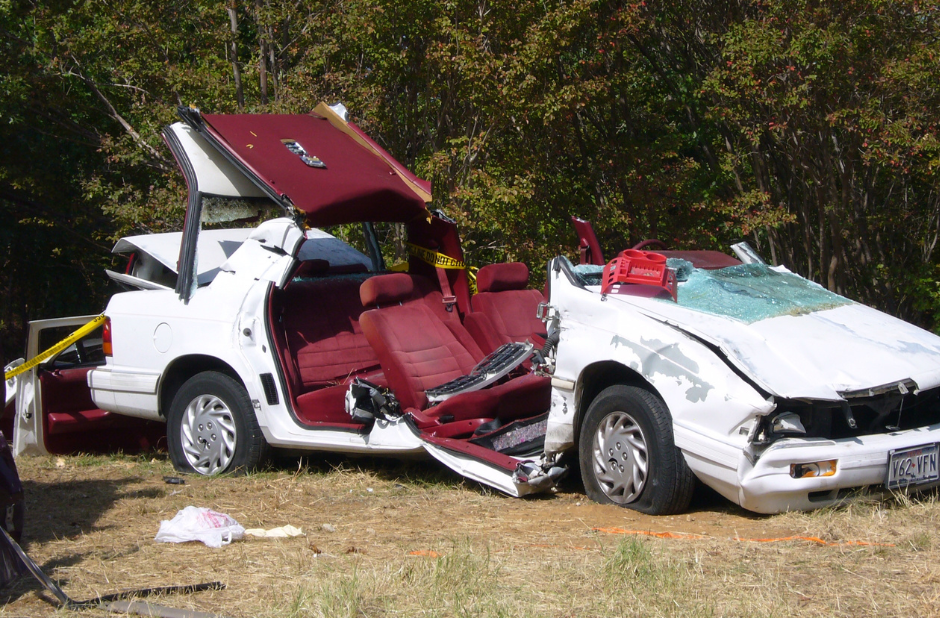
What to Do After a Car Accident to Protect Yourself Legally and Financially
In the moments after a crash, your priority should be safety, medical care, and documenting what happened. The steps you take immediately after a crash can significantly affect your health, insurance claim, and potential legal case.
A car accident can be overwhelming and disorienting. In the moments after a collision, it is normal to feel confused, anxious, or even in shock. Many people are unsure what to do first or how to protect themselves legally and financially.
However, the actions you take right after an accident matter. They can influence your medical recovery, your insurance settlement, and whether you are able to recover full compensation for your injuries and losses.
This guide explains, step by step, what to do after an auto accident, how to avoid common mistakes, when to involve an attorney, and how to protect yourself throughout the process.
Step 1: Ensure Safety First
Your first priority after any accident is safety.
Check for injuries immediately
Take a moment to assess yourself and others.
Look for:
- Pain or visible injuries
- Dizziness or confusion
- Bleeding or swelling
- Difficulty moving
Even if injuries seem minor, you should still treat the situation seriously.
Move to a safe location if possible
If the vehicles are creating a hazard:
- Move to the side of the road if it is safe
- Turn on hazard lights
- Stay away from traffic
If the accident is severe, it may be safer to remain inside the vehicle until help arrives.
Call emergency services
Always call emergency services if:
- Anyone is injured
- There is significant vehicle damage
- The roadway is blocked
Police reports are also important for documentation.
Step 2: Call Law Enforcement
A police report is a critical part of your case.
Why police reports matter
Police officers will:
- Document the accident scene
- Collect statements from drivers and witnesses
- Assess fault based on evidence
- File an official report
This report is often used by insurance companies and attorneys.
What to say to police
Be honest and factual:
- Describe what happened clearly
- Avoid guessing or speculating
- Do not admit fault
Even simple statements can be misinterpreted later.
Step 3: Seek Medical Attention Immediately
Even if you feel fine, medical evaluation is essential.
Why medical care is important
Some injuries are not immediately visible:
- Whiplash
- Concussions
- Internal injuries
- Soft tissue damage
Symptoms may appear hours or days later.
Medical documentation supports your claim
Medical records:
- Prove your injuries
- Connect injuries to the accident
- Support your compensation claim
Follow all treatment recommendations
It is important to:
- Attend follow-up appointments
- Complete prescribed treatment
- Follow medical advice
Treatment gaps can weaken your case.
Step 4: Document the Accident Scene
Evidence is crucial for your claim.
What to document
If you are able:
- Take photos of vehicles
- Capture road conditions
- Photograph injuries
- Record traffic signals or signs
Why documentation matters
Photos and videos help:
- Establish fault
- Show severity of damage
- Support your version of events
Important details to record
Write down:
- Time and date
- Weather conditions
- Location
- Direction of travel
Step 5: Exchange Information
You must exchange information with the other driver.
What to collect
- Name and contact details
- Insurance company
- Policy number
- Driver’s license number
- License plate number
What NOT to do
Avoid:
- Arguments
- Accusations
- Admitting fault
- Emotional confrontations
Stay calm and factual.
Step 6: Talk to Witnesses
Witnesses can strengthen your case.
Why witnesses matter
They can:
- Confirm what happened
- Support your version of events
- Clarify unclear details
What to collect
Get:
- Names
- Phone numbers
- Short statements if possible
Step 7: Notify Your Insurance Company
You should report the accident to your insurer.
What to say
Be careful and:
- Stick to basic facts
- Avoid speculation
- Do not admit fault
Why caution is important
Insurance companies may:
- Use statements against you
- Minimize your claim
- Request recorded interviews
Step 8: Avoid Common Mistakes After an Accident
Many people unintentionally harm their claims.
Mistake 1: Admitting fault
Even saying “I’m sorry” can be misinterpreted.
Mistake 2: Not seeking medical care
Delaying treatment can weaken your claim.
Mistake 3: Accepting early settlement offers
Insurance companies often offer low settlements quickly.
Mistake 4: Posting on social media
Posts can be used as evidence against you.
Mistake 5: Not documenting the accident
Lack of evidence makes it harder to prove claims.
Step 9: Keep Track of Your Medical and Financial Impact
Your damages go beyond vehicle repair.
Medical expenses
Track:
- Hospital bills
- Medication costs
- Therapy expenses
- Follow-up care
Lost income
Include:
- Missed work days
- Reduced earning ability
- Job disruptions
Other damages
You may also experience:
- Pain and suffering
- Emotional distress
- Long-term limitations
Step 10: Understand Insurance Company Tactics
Insurance companies are businesses focused on minimizing payouts.
Common tactics include:
- Quick low settlement offers
- Delaying claim processing
- Requesting unnecessary documentation
- Disputing medical treatment
Why awareness matters
Understanding these tactics helps you:
- Avoid low settlements
- Protect your rights
- Make informed decisions
Step 11: Know When to Contact an Attorney
Not every accident requires legal help, but many do.
You should contact an attorney if:
- You were injured
- Fault is disputed
- Medical treatment is ongoing
- Insurance is delaying or denying claims
- You lost income
- Multiple parties are involved
Why early legal help matters
An attorney can:
- Preserve evidence
- Handle insurance communication
- Calculate damages accurately
- Negotiate fair compensation
Step 12: What an Auto Accident Attorney Does for You
Understanding the role of an attorney helps you see the value of legal support.
Investigation
An attorney gathers:
- Police reports
- Witness statements
- Medical records
- Accident evidence
Insurance negotiation
They handle:
- All communication
- Settlement negotiations
- Claim disputes
Case valuation
Attorneys calculate:
- Medical costs
- Future treatment needs
- Lost income
- Pain and suffering
Litigation if needed
If a fair settlement is not reached:
- A lawsuit may be filed
- Discovery begins
- Trial preparation follows
Step 13: How Long After an Accident Should You Act?
Timing is critical.
Immediate action is best
The sooner you act:
- The stronger your evidence
- The better your case outcome
- The lower the risk of mistakes
Delays can harm your case
Waiting too long can:
- Reduce available evidence
- Weaken medical documentation
- Give insurance companies an advantage
Step 14: Emotional Impact of Car Accidents
Car accidents affect more than physical health.
Common emotional effects:
- Anxiety
- Fear of driving
- Stress and frustration
- Emotional trauma
Why emotional recovery matters
Healing is not just physical. Emotional recovery is part of the process and should be acknowledged.
Step 15: Legal Rights After an Accident
You have rights after a crash, including:
- Right to medical compensation
- Right to property damage recovery
- Right to lost income compensation
- Right to legal representation
Why knowing your rights matters
Understanding your rights helps you:
- Avoid unfair settlements
- Make informed decisions
- Protect your financial future
Working with an experienced Auto Accidents Attorney Georgia can help ensure those rights are fully protected under state law.
Step 16: Building a Strong Case
Strong cases are built on evidence and documentation.
Key elements include:
- Medical records
- Police reports
- Witness testimony
- Photos and videos
- Financial documentation
Step 17: Common Injuries After Car Accidents
Even minor crashes can cause serious injuries.
Common injuries include:
- Whiplash
- Back injuries
- Head trauma
- Fractures
- Soft tissue injuries
Delayed symptoms
Some injuries appear later:
- Neck stiffness
- Headaches
- Dizziness
- Chronic pain
Final Thoughts
Knowing what to do after an auto accident can significantly impact your physical recovery, financial stability, and legal outcome. The steps you take immediately after a crash matter more than most people realize. Staying calm, documenting the scene, seeking medical attention, and avoiding insurance pitfalls can all help protect your future.
If you are unsure about your next steps or dealing with injuries and insurance pressure, reaching out to The Jewkes Law Firm can help you understand your rights and options. Speaking with an experienced attorney can provide clarity, support, and guidance so you can move forward with confidence after a difficult accident.
Follow us on our social media pages below:
Learn more about personal injury law through the articles below: