
What to Do After a Semi Truck Accident: A Step-by-Step Guide
A crash involving a large commercial truck can be frightening and confusing. These accidents often cause serious injuries and major damage because semi trucks are much larger than regular vehicles. After a crash, many people immediately wonder What to Do After a Semi Truck Accident? Knowing the right steps can help protect your safety, your health, and your legal rights.
Truck accidents often involve complicated investigations, multiple insurance companies, and strict trucking regulations. Taking the proper actions right after the accident can make a big difference in the outcome of your case. In this guide, we will explain what to do after a semi truck accident and how working with a Truck Accident lawyer may help protect your rights.
Why Semi Truck Accidents Are More Dangerous
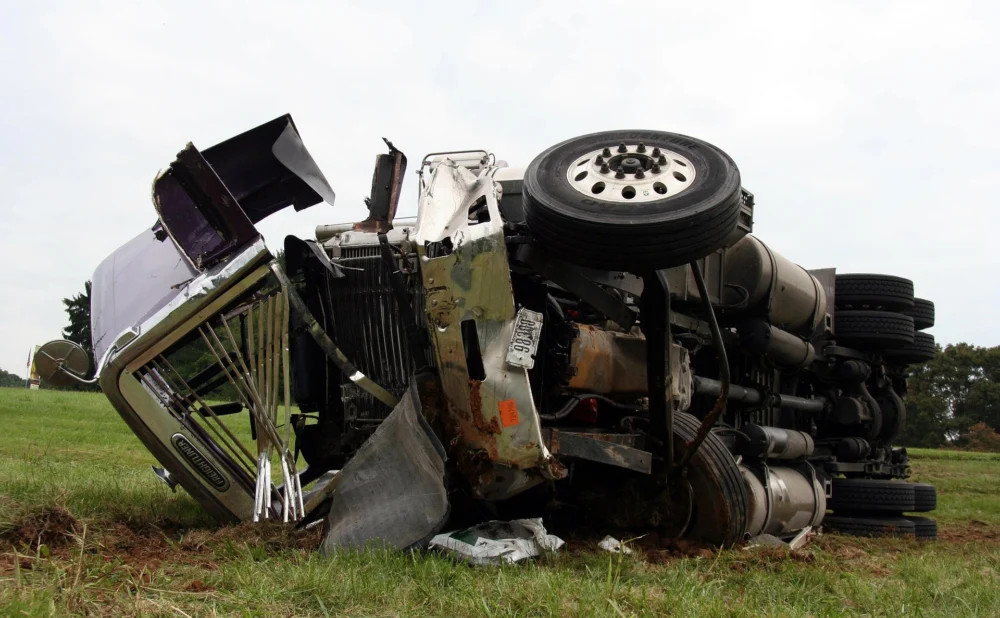
Semi trucks are much larger and heavier than passenger vehicles. A fully loaded truck can weigh up to 80,000 pounds. Because of this, collisions with trucks often cause severe damage.
When truck accidents occur, the impact can lead to:
- Serious injuries
- Major vehicle damage
- Road blockages and traffic hazards
Another reason these accidents are more complicated is that multiple parties may be involved. The truck driver, trucking company, cargo loaders, and maintenance providers may all play a role.
Understanding how to respond after an accident can help protect both your safety and your legal rights.
What Causes Truck Accidents
Before discussing what to do after an accident, it helps to understand what commonly causes these crashes. Truck accidents often occur because of driver mistakes, mechanical issues, or unsafe working conditions.
Some common causes of truck accidents include:
Driver Fatigue
Truck drivers often work long hours and travel long distances. Fatigue can reduce reaction time and increase the risk of accidents.
Distracted Driving
Like any driver, truck drivers can become distracted by phones, navigation systems, or other activities while driving.
Speeding
Large trucks require more time and distance to stop. When drivers exceed speed limits, they may not be able to slow down in time to avoid a collision.
Poor Vehicle Maintenance
Commercial trucks must be inspected and maintained regularly. Faulty brakes, worn tires, or broken lights can create dangerous situations.
Improperly Loaded Cargo
If cargo is not balanced or secured properly, it can shift during travel and affect the truck’s stability.
Dangerous Weather Conditions
Rain, fog, or icy roads can make driving more dangerous for large trucks.
Identifying the cause of a crash is important when determining responsibility after the accident.
Step 1: Check for Injuries and Call Emergency Services
Your first priority after any accident should be safety. Check yourself and others for injuries.
If anyone is hurt, call emergency services immediately. Even if injuries appear minor, a medical evaluation is important.
Calling 911 ensures that:
- Medical professionals can assist injured individuals
- Police can document the accident
- Emergency services can secure the scene
Quick medical attention may also prevent injuries from becoming worse.
Step 2: Move to a Safe Location if Possible
If the vehicles involved are still blocking traffic and it is safe to do so, move them to the side of the road.
Turning on hazard lights can help warn other drivers and reduce the risk of additional accidents.
If the vehicles cannot be moved, remain at a safe distance from traffic until help arrives.
Safety should always come first after a collision.
Step 3: Call the Police and File an Accident Report
Always report a semi truck accident to the police. An official accident report provides an important record of what happened.
The police will document details such as:
- The time and location of the accident
- Statements from drivers and witnesses
- Road and weather conditions
This report may become important evidence if insurance claims or legal action follow.
Step 4: Seek Medical Attention Immediately
Even if you feel fine after the accident, it is still important to see a medical professional.
Some injuries may not appear immediately. For example, neck injuries, internal injuries, and concussions can develop symptoms hours or even days later.
Medical documentation also creates an official record of injuries related to the accident. This record can become important if you pursue compensation later.
Step 5: Gather Evidence at the Scene
If it is safe to do so, gather as much information as possible at the accident scene.
This may include:
- Photos of vehicle damage
- Pictures of the road and traffic signs
- Photos of skid marks or debris
- Contact information for witnesses
Visual evidence helps investigators understand what happened during the crash.
Step 6: Exchange Information With the Truck Driver
You should exchange information with the truck driver involved in the accident.
Important details include:
- Driver’s name and contact information
- Trucking company name
- Insurance information
- License plate number
- Truck identification or DOT number
This information will be needed when filing insurance claims or seeking legal advice.
Step 7: Avoid Admitting Fault
After an accident, emotions can run high. It is important to remain calm and avoid discussing fault at the scene.
Even simple statements like apologizing may later be misunderstood as accepting responsibility.
When speaking with police officers, provide factual information about what happened without speculation.
Step 8: Report the Accident to Your Insurance Company
You should notify your insurance company about the accident as soon as possible.
Provide basic details about the crash, including the location, time, and vehicles involved.
However, avoid giving detailed recorded statements until you understand your legal rights.
Insurance companies may attempt to reduce their financial responsibility, so it is important to proceed carefully.
Step 9: Document Your Injuries and Expenses
Keeping detailed records after a truck accident can help support your claim.
You may want to track:
- Medical bills and treatment costs
- Lost wages from missing work
- Property repair expenses
- Rehabilitation or therapy costs
These records help demonstrate the financial impact of the accident.
Step 10: Consult a Truck Accident Lawyer
Truck accident cases can be complicated because they often involve multiple companies and insurance providers.
Consulting a Truck Accident lawyer can help you understand your rights and options.
A lawyer can guide you through the claims process and help ensure that your case is handled properly.
How a Truck Accident Lawyer Can Help After a Semi Truck Crash
A lawyer provides several important services during a truck accident case.
They may:
- Investigate the cause of the accident
- Gather evidence and records
- Identify all responsible parties
- Communicate with insurance companies
- Negotiate settlements
In some cases, a lawyer may also represent accident victims in court if a fair settlement cannot be reached.
Having legal guidance can make the process less stressful and more organized.
Why Timing Matters After a Truck Accident
Taking action quickly after a truck accident is important for several reasons.
Evidence such as driver logs, truck maintenance records, and electronic driving data may not remain available forever.
Witness memories can also fade over time.
In addition, legal deadlines known as statutes of limitations limit how long accident victims have to file claims.
Seeking legal guidance early helps preserve evidence and protect your rights.
Why Choose The Jewkes Law Firm for a Georgia Trucking Accidents Lawyer
Truck accident cases require experience and careful investigation. The Jewkes Law Firm understands the challenges victims face after serious truck accidents.
Our legal team investigates accidents thoroughly, gathers evidence, and works to identify every party responsible for the crash. With the help of a Georgia Trucking Accidents Lawyer, victims can better navigate the legal process and pursue fair compensation.
Conclusion
A semi truck accident can leave victims facing serious injuries, financial stress, and uncertainty about what to do next. Understanding what to do after a semi truck accident can help protect both your health and your legal rights.
From seeking medical care and documenting evidence to consulting a lawyer, each step plays an important role in protecting your future.
If you or a loved one has been involved in a truck accident, you do not have to face the situation alone. To learn more about your legal options and receive guidance from an experienced attorney, schedule a consultation today with The Jewkes Law Firm’s Georgia Trucking Accidents Lawyer. Our team is ready to help you move forward after a serious accident.
Follow us on our social media pages below:
Learn more about personal injury law through the articles below: