Many people assume that slip and fall claims are straightforward. You fell, you got hurt, so you deserve compensation. The reality is far more complex. In Georgia’s 2026 legal landscape, evidence determines whether your claim succeeds or fails. Without solid proof of negligence, even legitimate injuries may result in denied claims or minimal settlements. This guide walks you through the types of evidence that matter, how to preserve them effectively, and why professional legal guidance can transform your claim outcome in South Atlanta and surrounding Georgia counties.
Table of Contents
- Understanding The Foundations: What Evidence Proves In Slip And Fall Claims
- Key Types Of Evidence That Strengthen Slip And Fall Claims In South Atlanta And Georgia
- How Preserving And Presenting Evidence Impacts The Success Of Your Slip And Fall Claim
- Get Expert Help With Your Slip And Fall Claim In South Atlanta
- Frequently Asked Questions
Key takeaways
| Point | Details |
|---|---|
| Evidence proves negligence | Solid documentation of duty, breach, causation, and damages establishes liability in Georgia slip and fall cases. |
| Multiple evidence types strengthen claims | Photos, medical records, witness statements, and surveillance footage collectively build compelling cases. |
| Immediate preservation is critical | Collecting evidence within hours or days prevents loss and demonstrates claim seriousness to insurers. |
| Professional legal help maximizes compensation | Attorneys organize and present evidence strategically to increase settlement offers and court success. |
Understanding the foundations: what evidence proves in slip and fall claims
Evidence serves as the backbone of any successful slip and fall claim in Georgia. To establish negligence in a slip and fall case, evidence of duty, breach, causation, and damages is necessary. Property owners owe visitors a duty of care to maintain safe premises. When they breach that duty through negligence like failing to fix broken stairs or clean up spills, and that breach directly causes your injury, you have grounds for a claim.
Each element requires specific proof. Duty can be shown through property ownership records or business licenses. Breach evidence includes photos of the hazard, maintenance logs showing neglect, or witness testimony about how long a dangerous condition existed. Causation links the hazard directly to your fall through incident reports, surveillance footage, or eyewitness accounts. Damages require medical records, bills, pay stubs showing lost wages, and documentation of pain and suffering.
Common misconceptions complicate claims unnecessarily. Many assume that visible hazards automatically prove negligence, but Georgia law requires proof the property owner knew or should have known about the danger. Others believe insurance companies will fairly evaluate claims without strong evidence, yet insurers routinely minimize payouts when documentation is weak. Some injured parties think their word alone suffices, but personal testimony without corroborating proof rarely convinces adjusters or juries.
Georgia’s comparative negligence standard adds another layer. If evidence shows you were partially at fault, your compensation reduces proportionally. Strong evidence proving the property owner’s primary responsibility becomes essential to maximize your recovery.
Building a strong claim requires multiple evidence types working together:
- Photographic documentation of hazards and injuries
- Medical records linking injuries directly to the incident
- Witness statements corroborating your account
- Incident reports filed with property owners or managers
- Expert testimony explaining causation or industry standards
- Maintenance records showing negligent upkeep
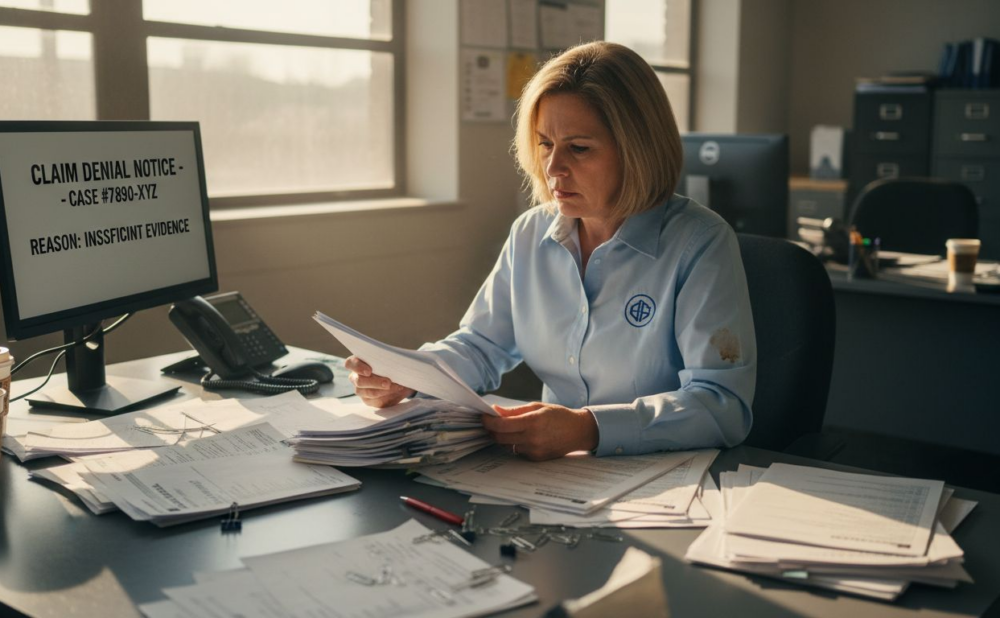
Weak or missing evidence leads to predictable outcomes. Claims without solid proof face denials at alarming rates. Even when accepted, settlements without compelling evidence typically cover only immediate medical bills, leaving you responsible for ongoing treatment, lost income, and pain. Insurance adjusters exploit documentation gaps to argue pre existing conditions, question injury severity, or claim you caused your own fall.
Understanding slip and fall liability in Georgia empowers you to gather the right evidence from the start. Every piece of documentation strengthens your position and moves you closer to fair compensation.
Key types of evidence that strengthen slip and fall claims in South Atlanta and Georgia
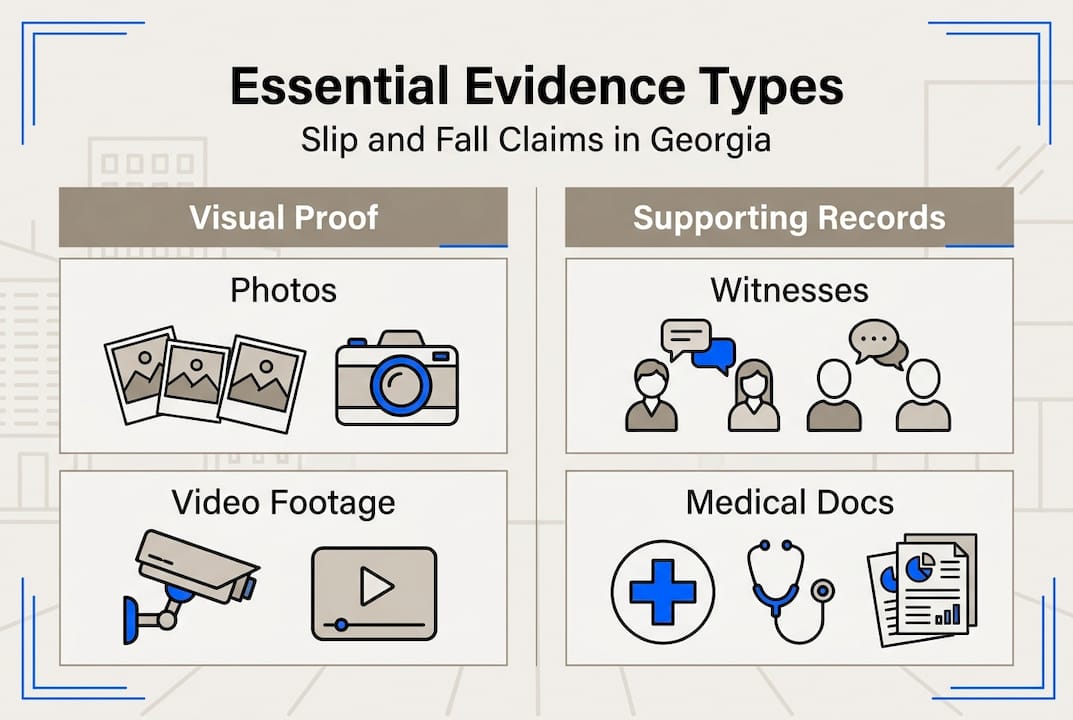
Successful claims rely on diverse evidence types, each serving distinct purposes. Photographic evidence, medical records, and witness testimony are among the most commonly used evidence to prove slip and fall cases. Understanding what to collect and how each type contributes helps you build an unassailable case.
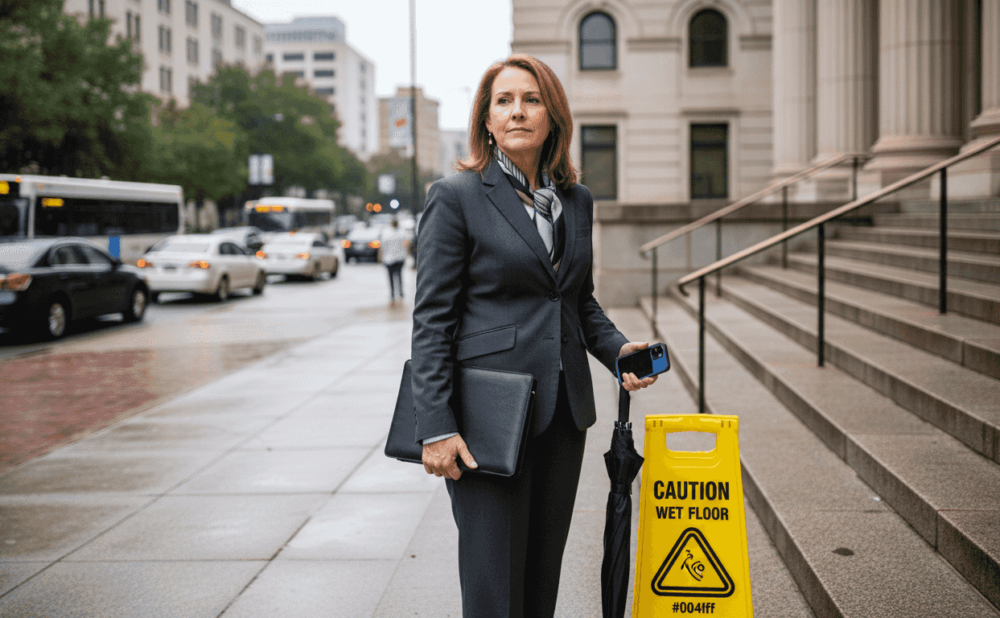
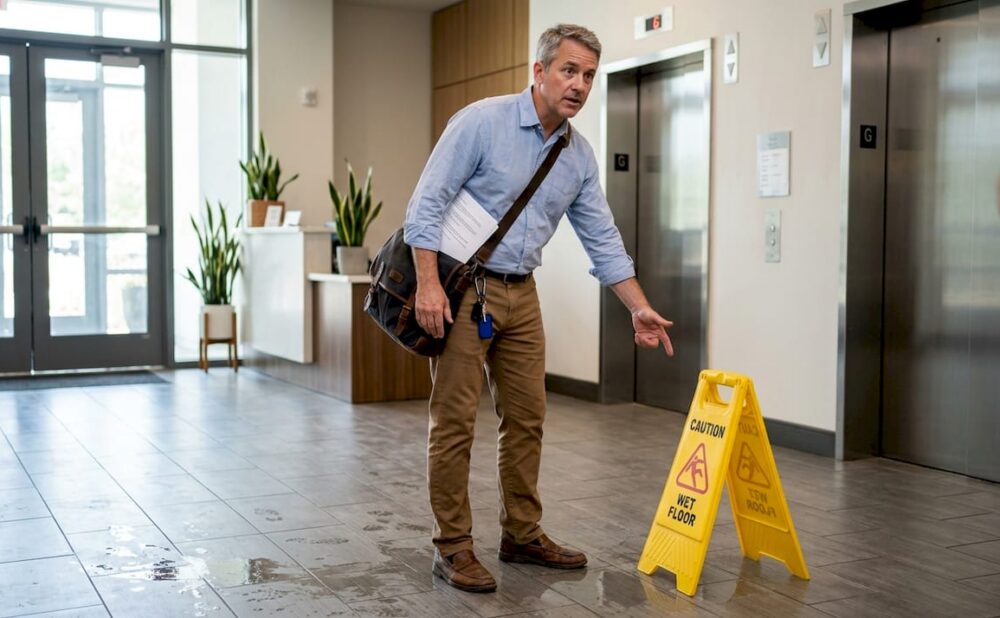
Photos and videos capture the accident scene exactly as it appeared when you fell. Take multiple angles of the hazard itself, surrounding conditions, lighting levels, and any warning signs or their absence. Document your visible injuries immediately and throughout recovery to show progression. Time stamped images prove conditions existed at specific moments, countering claims that hazards were promptly addressed.

Witness statements provide independent corroboration of your account. Bystanders who saw your fall or the hazardous condition beforehand offer credible third party perspectives. Employees who knew about the danger but failed to address it demonstrate knowledge and negligence. Collect names, phone numbers, and brief written statements while memories remain fresh.
Incident reports create official records with property owners or businesses. Filing a report immediately establishes a paper trail and prevents later disputes about when or where the accident occurred. Request copies for your records and ensure reports accurately describe the hazard and your injuries without admitting fault.
Medical documentation links your injuries directly to the fall. Emergency room visits, diagnostic tests, treatment plans, and follow up appointments all prove injury severity and necessity of care. Medical records also establish causation by showing injuries consistent with your fall description and documenting pre existing condition absence.
Expert opinions explain complex causation or liability issues to insurance adjusters and juries. Medical experts testify about injury mechanisms and long term impacts. Safety experts analyze whether property maintenance met industry standards. Engineers assess structural defects that created hazards. Their professional credibility often tips close cases in your favor.
Surveillance footage offers objective visual proof of exactly how your accident happened. Many South Atlanta businesses, apartment complexes, and public spaces maintain security cameras. This footage shows the hazard, your fall, and sometimes property owner knowledge of dangerous conditions.
| Evidence Type | Purpose | How to Obtain |
|---|---|---|
| Photos and videos | Document hazard and injuries visually | Take immediately with smartphone at scene and during recovery |
| Witness statements | Provide independent corroboration | Collect contact info and brief written accounts at scene |
| Incident reports | Create official accident record | File with property owner or manager immediately |
| Medical records | Prove injury severity and causation | Visit emergency room promptly and keep all treatment documentation |
| Expert testimony | Explain complex liability or injury issues | Hire through your attorney to analyze case specifics |
| Surveillance footage | Show objective visual proof of fall | Request from property owner within days before overwriting |
Pro Tip: Photograph the bottoms of your shoes to show they had adequate tread and weren’t the cause of your slip. This simple step counters common defense arguments about footwear contributing to falls.
The value of each evidence type multiplies when combined. Photos prove a hazard existed, witness statements confirm you couldn’t have seen it in time, medical records show serious injuries resulted, and expert testimony explains why the property owner should have fixed the problem. This layered approach leaves little room for insurers to dispute liability or minimize damages.
South Atlanta’s mix of commercial properties, apartment complexes, and retail centers means surveillance cameras are common. Request footage within 24 to 72 hours before systems overwrite recordings. Property owners must preserve evidence once they know about a potential claim, so your written request triggers that duty.
Understanding evidence types for slip and fall claims helps you recognize opportunities others miss. The slip and fall settlement process relies heavily on documentation quality, and knowing common types of slip and fall injuries helps you document them thoroughly.
How preserving and presenting evidence impacts the success of your slip and fall claim
Collecting evidence means nothing if you fail to preserve it properly or present it strategically. The actions you take immediately after your accident and throughout your claim process directly affect compensation amounts and success rates.
Follow these steps immediately after a slip and fall:
- Report the accident to the property owner, manager, or staff member on duty and request they document it officially in an incident report.
- Photograph the exact location where you fell, the hazard that caused it, surrounding conditions, lighting, and any warning sign absence from multiple angles.
- Collect contact information from anyone who witnessed your fall or saw the hazardous condition beforehand, including brief written statements if possible.
- Seek medical attention immediately, even if injuries seem minor, to create medical records linking your condition to the fall.
- Keep all documentation organized in one location, including photos, reports, medical bills, prescriptions, and correspondence with property owners or insurers.
- Avoid posting about your accident on social media, as insurance companies monitor profiles for evidence to dispute claims.
- Contact a personal injury attorney before giving recorded statements to insurance adjusters or accepting settlement offers.
Pro Tip: Create a dedicated email folder and physical file for all claim related documents from day one. This organization makes it easier to provide complete information to your attorney and prevents crucial evidence from getting lost.
Timing matters enormously. Reporting slip and fall incidents promptly significantly improves claim approval rates, with 43% higher claims reported in South Atlanta. This statistic reflects how immediate documentation establishes credibility and prevents property owners from altering conditions or disputing your account.
Reporting slip and fall incidents promptly significantly improves claim approval rates, with 43% higher claims reported in South Atlanta.
Delays raise red flags for insurance adjusters. Waiting days or weeks to report an accident allows property owners to claim the hazard was fixed immediately or never existed. Gaps between your fall and medical treatment let insurers argue injuries weren’t serious or resulted from other causes. Missing documentation creates doubt about your credibility and claim validity.
Thorough evidence preservation increases settlement offers substantially. Insurance companies know strong documentation means higher chances of losing at trial. When faced with photos clearly showing a dangerous condition, multiple witness statements, comprehensive medical records, and expert opinions supporting your case, adjusters typically offer fair settlements to avoid court costs and potential jury verdicts.
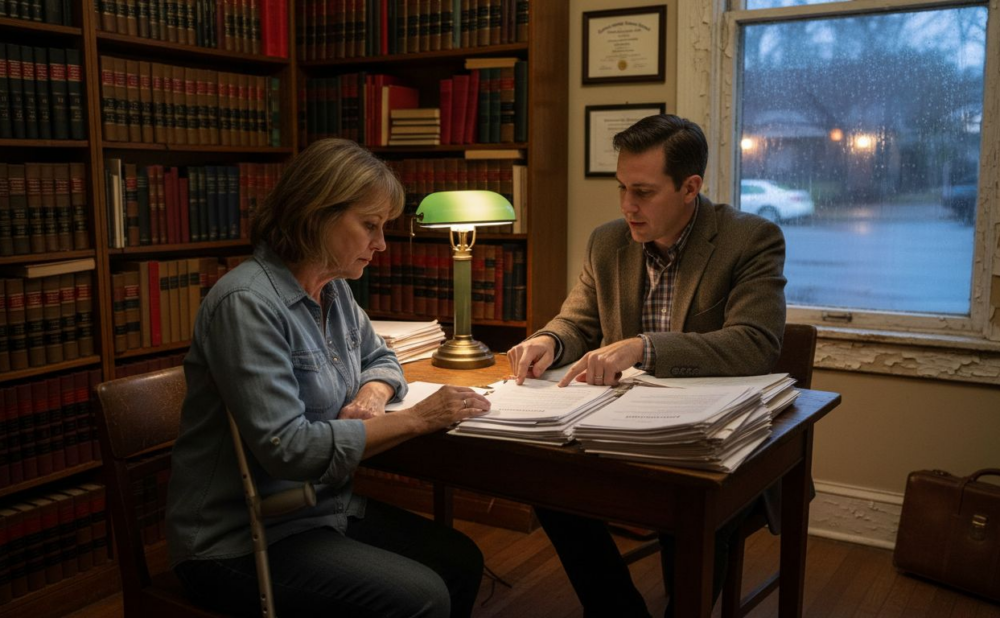
Professional legal help transforms how evidence gets presented. Experienced attorneys know which evidence types matter most for specific claim aspects. They organize documentation chronologically and thematically to tell compelling stories. They hire appropriate experts to analyze technical issues. They understand Georgia evidence rules and ensure everything meets admissibility standards. They negotiate from positions of strength because insurers recognize well prepared cases.
Common preservation pitfalls undermine otherwise valid claims. Failing to photograph the scene before conditions change eliminates your strongest visual proof. Losing medical bills or treatment records creates gaps insurers exploit. Deleting social media posts after realizing they could hurt your claim looks like evidence destruction. Throwing away torn clothing or damaged personal items removes tangible proof of impact force.
Understanding why you should report slip and falls promptly in South Atlanta and the importance of filing injury claims in South Atlanta helps you avoid these mistakes. Every piece of preserved evidence strengthens your negotiating position and moves you closer to maximum compensation.
Get expert help with your slip and fall claim in South Atlanta
Navigating evidence collection and claim processes alone puts you at a significant disadvantage. The Jewkes Firm brings deep experience handling slip and fall cases throughout South Atlanta and surrounding Georgia counties. Our team knows exactly what evidence proves negligence, how to obtain it efficiently, and how to present it for maximum impact.

We guide clients through every evidence gathering step, from photographing accident scenes to securing surveillance footage before it disappears. Our relationships with medical experts, safety professionals, and investigators ensure your claim has the strongest possible foundation. We handle all communication with insurance companies, protecting you from tactics designed to minimize payouts or trap you into damaging statements.
Our contingency fee structure means you pay nothing until we win your case. This arrangement aligns our interests with yours and removes financial barriers to quality legal representation. We’ve recovered millions for injured clients by building evidence based cases that insurers and juries find compelling.
If you’ve suffered a slip and fall injury in South Atlanta or surrounding areas, contact Jewkes Firm legal services today for a free consultation. Let us evaluate your evidence, identify gaps we can fill, and develop a strategy to maximize your compensation. Your recovery deserves the strongest possible legal foundation.
Frequently asked questions
What is the most important evidence to prove a slip and fall claim?
Photos of the hazard and your injuries, comprehensive medical records, and credible eyewitness testimony typically carry the most weight. Each type serves different purposes, but together they create an unassailable case. Well documented evidence demonstrating clear negligence and serious injuries resulting directly from that negligence gives you the strongest foundation for maximum compensation.
How soon should I collect evidence after a slip and fall accident?
Collect photos, witness contact information, and file incident reports within hours of your fall if physically possible. Seek medical attention the same day to create immediate injury documentation. Delays of even a few days risk evidence loss, condition changes, or fading memories. Prompt action demonstrates claim seriousness to insurers and preserves your strongest proof before property owners can alter conditions.
Can I use surveillance footage as evidence in my slip and fall case?
Yes, surveillance footage provides objective visual proof that’s extremely valuable in slip and fall claims. Many South Atlanta businesses and properties maintain security cameras that may have captured your accident. Request footage in writing within 24 to 72 hours before systems overwrite recordings. Property owners must preserve evidence once notified of potential claims, so prompt requests trigger that legal duty.
Does failing to report a slip and fall immediately affect my claim?
Delayed reporting significantly weakens claims and reduces success rates by up to 40 percent compared to immediate reports. Gaps between accidents and reports allow property owners to dispute your account, claim hazards were fixed promptly, or argue injuries resulted from other causes. Immediate reporting creates official records, establishes timeline credibility, and demonstrates to insurers that you take your claim seriously. Always report accidents to property owners or managers before leaving the scene whenever possible.