
What Is Dental Malpractice? Signs, Examples, and Your Legal Options
Did a routine dental procedure leave you with unexpected pain, permanent damage, or the need for additional treatment? If you’re wondering what is dental malpractice, you’re not alone. While not every dental complication results from negligence, some injuries occur because a dentist failed to provide care that met accepted professional standards. Understanding the difference is important because it can affect your health, finances, and legal rights. At The Jewkes Law Firm, we help individuals and families determine whether preventable dental injuries may qualify as medical malpractice under Georgia law.
What Is Dental Malpractice?
Dental malpractice occurs when a dentist or other dental professional fails to provide treatment that meets the accepted standard of care, causing preventable harm to a patient. To establish malpractice, it generally must be shown that the provider’s negligence directly caused injuries beyond the known risks or expected complications of the procedure.
Many people assume that any painful or unsuccessful dental procedure qualifies as malpractice. In reality, that is not how the law works. Every dental procedure carries some degree of risk, and complications can occur even when a dentist provides appropriate care. Dental malpractice typically arises only when a provider’s actions fall below the accepted professional standard and those actions directly result in injury.
For example, nerve damage after wisdom tooth removal may not automatically indicate malpractice because it is a recognized risk of the procedure. However, if the injury occurred because the dentist failed to perform proper imaging, ignored warning signs, or made avoidable surgical errors, the circumstances may be very different.
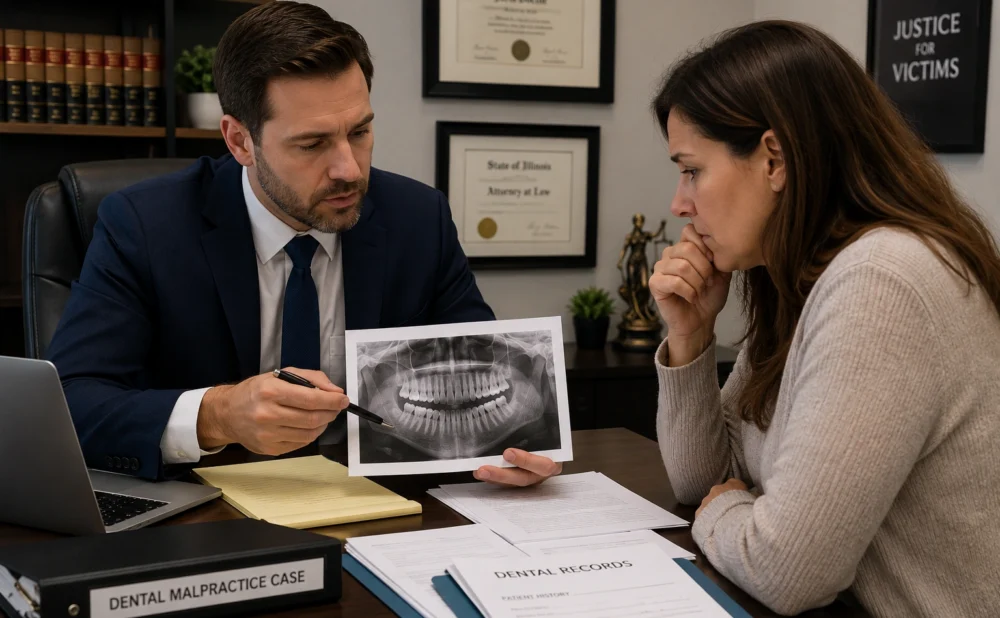
Determining whether malpractice occurred often requires an independent review of dental records by qualified experts. An experienced Georgia Medical Malpractice Attorney can help gather evidence, consult specialists, and determine whether your injuries may support a legal claim.
What Are the Signs of Dental Malpractice?
Not every dental problem is caused by negligence, but certain warning signs may indicate that further investigation is appropriate.
Common signs include:
- Persistent or worsening infection after treatment
- Removal of the wrong tooth
- Permanent numbness or nerve damage
- Severe bleeding that was not properly managed
- Improper placement of dental implants
- Failure to diagnose oral cancer or serious infection
- Broken dental instruments left inside the mouth
- Unexpected need for multiple corrective procedures
- Failure to monitor or treat known complications
- Injuries caused by anesthesia or sedation errors
These situations do not automatically prove malpractice. However, if your injuries appear unusual or another dental professional tells you that your treatment should have been handled differently, it may be worth seeking a legal evaluation.
Common Examples of Dental Malpractice
Dental malpractice can occur in many different types of procedures. Some of the most common examples include:
Wrong Tooth Extraction
Removing the incorrect tooth is one of the clearest examples of preventable dental negligence. Patients may require additional treatment to address the mistake while still needing care for the original dental problem.
Failure to Diagnose Oral Cancer
Dentists play an important role in detecting early signs of oral cancer. Failing to recognize suspicious lesions or delaying referrals can significantly affect treatment outcomes.
Root Canal Errors
Improperly performed root canals may leave infected tissue behind, damage nearby teeth, or result in persistent pain requiring retreatment or extraction.
Dental Implant Mistakes
Poor planning or improper implant placement can lead to implant failure, nerve injuries, sinus complications, and costly corrective procedures.
Anesthesia Errors
Mistakes involving local anesthesia or sedation can result in serious complications, particularly when proper patient screening or monitoring is not performed.
Failure to Obtain Informed Consent
Patients have the right to understand the risks, benefits, and alternatives associated with treatment. Performing procedures without obtaining informed consent may create legal issues under certain circumstances.
Negligent Follow-Up Care
A dentist who ignores signs of infection, fails to schedule appropriate follow-up visits, or dismisses serious complications may increase a patient’s injuries unnecessarily.
How Is Dental Malpractice Proven?
To recover compensation in a dental malpractice case, it is generally necessary to prove four legal elements. Simply experiencing pain or an unsuccessful procedure is usually not enough.
1. Duty of Care
A dentist owes patients a professional duty to provide treatment that meets the accepted standard of care. This duty begins once a provider-patient relationship has been established.
2. Breach of the Standard of Care
The injured patient must show that the dentist failed to act as a reasonably competent dental professional would have under similar circumstances.
This often requires testimony from qualified dental experts who review treatment records and explain how the care fell below accepted professional standards.
3. Causation
It must also be shown that the dentist’s negligence directly caused the injury. If the injury would have occurred even with proper treatment, proving malpractice becomes much more difficult.
4. Damages
Finally, there must be measurable damages resulting from the negligence, such as:
- Additional dental treatment
- Medical expenses
- Lost income
- Permanent disability
- Pain and suffering
- Emotional distress
An experienced Georgia Medical Malpractice Attorney can coordinate expert reviews, preserve evidence, and build a case that addresses each of these legal elements.
What Should You Do If You Suspect Dental Malpractice?
If you believe your dentist’s negligence caused your injuries, taking the right steps early can protect both your health and your legal rights.
Seek Immediate Medical or Dental Care
Your health should always come first. If another qualified provider recommends corrective treatment, follow that advice promptly. Delaying care could allow your condition to worsen.
Request Copies of Your Records
Ask for copies of:
- Dental records
- Treatment notes
- X-rays
- CT scans
- Prescriptions
- Billing statements
- Referral records
These documents often become important evidence if you later pursue a claim.
Document Your Injuries
Maintain detailed records of:
- Pain levels
- Symptoms
- Follow-up appointments
- Additional procedures
- Photographs of visible injuries
- Receipts for medical expenses
The more documentation you have, the easier it may be to demonstrate how the injury affected your life.
Avoid Altering Evidence
Do not throw away broken dental appliances, medications, or written instructions you received from your dentist. These items may become useful during an investigation.
Consider Reporting the Incident
Depending on the circumstances, you may decide to file a complaint with the Georgia Board of Dentistry if you believe professional standards were violated.
A licensing complaint may result in disciplinary action, but it does not provide financial compensation for injured patients.
Speak With an Attorney
Consulting an attorney early allows your legal team to preserve evidence, review records with dental experts, and determine whether you may have a valid malpractice claim before important deadlines expire.
What Compensation May Be Available?
If negligent dental treatment caused your injuries, you may be entitled to seek compensation through a medical malpractice lawsuit.
Potential damages may include:
Medical and Dental Expenses
Compensation may cover:
- Emergency treatment
- Hospital care
- Corrective surgeries
- Dental implants
- Oral surgery
- Prescription medications
- Future treatment needs
Lost Income
If your injuries prevented you from working, you may recover compensation for:
- Lost wages
- Reduced earning capacity
- Missed employment opportunities
Pain and Suffering
Some dental injuries have lasting physical and emotional consequences.
These may include:
- Chronic pain
- Permanent numbness
- Facial disfigurement
- Anxiety
- Depression
- Reduced quality of life
Future Care
Serious injuries sometimes require years of additional treatment. Future anticipated medical expenses may also be considered when calculating damages.
Every case is unique, and compensation depends on the specific facts, severity of the injury, and available evidence.
Why Choose The Jewkes Law Firm?
At The Jewkes Law Firm, we understand that dental malpractice cases often involve complex medical issues and significant emotional stress. Our goal is to help injured patients understand their legal rights while providing experienced representation throughout every stage of the process.
When you work with our team, you can expect:
- A detailed evaluation of your case
- Honest legal guidance based on the facts
- Access to experienced dental and medical experts
- Thorough investigation of every potential source of liability
- Skilled negotiations with insurance companies
- Trial-ready representation when necessary
- Responsive communication from beginning to end
As a trusted Georgia Medical Malpractice Attorney, we recognize that every client’s circumstances are different. We take the time to understand your injuries, answer your questions, and pursue the compensation you may be entitled to recover.
Frequently Asked Questions
What qualifies as dental malpractice?
Dental malpractice occurs when a dentist fails to provide treatment that meets the accepted professional standard of care and that failure directly causes injury to a patient.
What is the difference between a dental complication and malpractice?
A complication is a known risk that may occur even when treatment is performed correctly. Malpractice generally involves negligence that falls below accepted professional standards.
How do I prove dental malpractice?
Most cases require dental records, expert testimony, evidence of negligence, proof that the negligence caused your injuries, and documentation of your damages.
Can I sue my dentist for nerve damage?
Possibly. Nerve damage alone does not automatically establish malpractice. However, if the injury resulted from negligent treatment or avoidable surgical errors, you may have a valid claim.
How long do I have to file a dental malpractice lawsuit in Georgia?
The applicable deadline depends on Georgia law and the facts of your case. Because these deadlines are strict, speaking with an attorney as soon as possible is recommended.
Should I report my dentist before filing a lawsuit?
A complaint to the Georgia Board of Dentistry and a malpractice lawsuit serve different purposes. Depending on your circumstances, you may choose to pursue one or both.
Final Thoughts
Understanding what dental malpractice is can help you make informed decisions after suffering a serious dental injury. While not every unsuccessful procedure results from negligence, preventable mistakes can have lasting physical, emotional, and financial consequences. Recognizing the warning signs, preserving important records, and seeking timely legal guidance can make a significant difference in protecting your rights.
Schedule Your Free Consultation
If you believe negligent dental care caused your injuries, schedule your free consultation with The Jewkes Law Firm today. Our experienced team will review your situation, explain your legal options, and help you determine whether you may have a dental malpractice claim. We are committed to providing compassionate guidance and experienced representation every step of the way.
Follow us on our social media pages below:
Learn more about personal injury law through the articles below:
- How to File a Medical Malpractice Lawsuit Without a Lawyer
- How Much Do Medical Malpractice Lawyers Charge
- A Guide to Medical Malpractice Cases in Georgia
- Medical malpractice explained: your rights guide in Georgia
- How to File a Medical Malpractice Claim: 2026 Guide
- How to Choose a Medical Malpractice Lawyer