TL;DR:
- Slip and fall incidents are among the leading causes of preventable injuries in homes and commercial properties, emphasizing the importance of proactive hazard identification. Regular inspections, proper lighting, footwear guidance, and surface maintenance significantly reduce fall risks and liability. Consistent cyclic safety audits and immediate hazard correction are essential for effective prevention and legal protection.
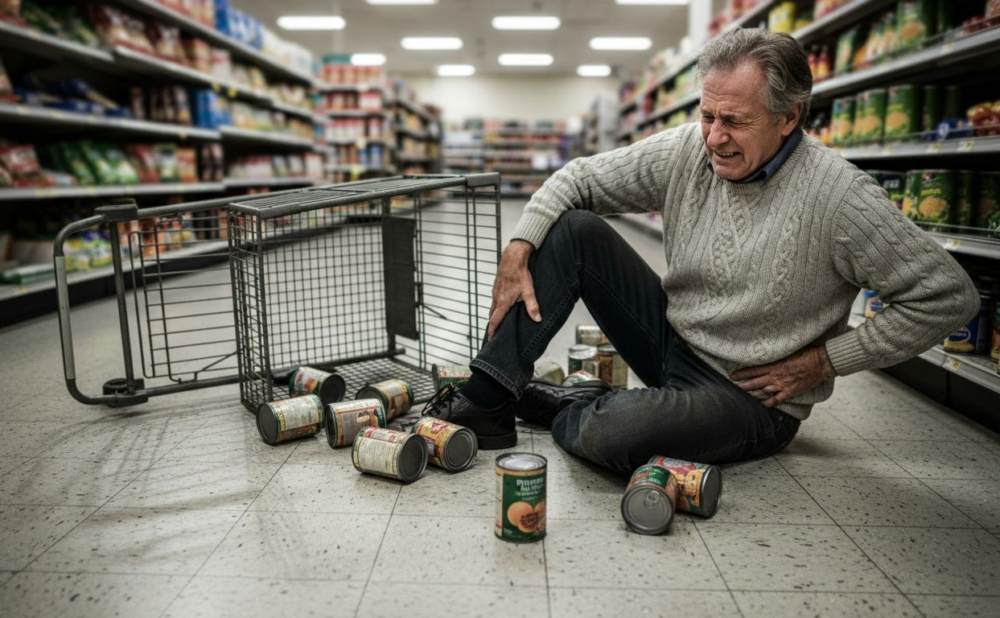
Slip and fall incidents are among the most common causes of serious injury in both homes and commercial properties — and they are largely preventable. A practical slip and fall prevention list gives you the structure to spot hazards before someone gets hurt rather than after. Whether you manage a rental property in South Atlanta or maintain your own home, working through a consistent checklist means fewer injuries, less liability, and greater peace of mind. This article covers the most effective measures organized by category so you can take real action today.
Table of Contents
- Key takeaways
- 1. Keep floors clean and dry at all times
- 2. Remove clutter and debris from all walkways
- 3. Use anti-slip mats and traction surfaces strategically
- 4. Improve lighting in every high-risk area
- 5. Address seasonal and outdoor hazards proactively
- 6. Encourage proper footwear for occupants and staff
- 7. Train occupants and staff to recognize and report hazards
- 8. Conduct regular safety audits and inspections
- 9. Apply a bathroom-specific prevention protocol
- 10. Control slip risks during and after cleaning
- 11. Build a cyclic audit and fix process
- My perspective on what the checklists miss
- If a fall has already happened, know your options
- FAQ
Key takeaways
| Point | Details |
|---|---|
| Housekeeping is the foundation | Clean spills immediately and remove walkway clutter to eliminate the most common indoor slip hazards. |
| Lighting prevents many falls | Adequate lighting in stairwells, hallways, and entrances lets people see and avoid hazards before contact. |
| Footwear matters more than most realize | Non-slip soles with ankle support cut fall risk significantly, especially on wet or icy surfaces. |
| Bathrooms need layered protection | Combining non-slip mats with grab bars provides far stronger protection than either measure alone. |
| Prevention must be cyclic | A one-time checklist is not enough. Audit, fix, and verify on a recurring schedule to stay ahead of changing conditions. |
1. Keep floors clean and dry at all times
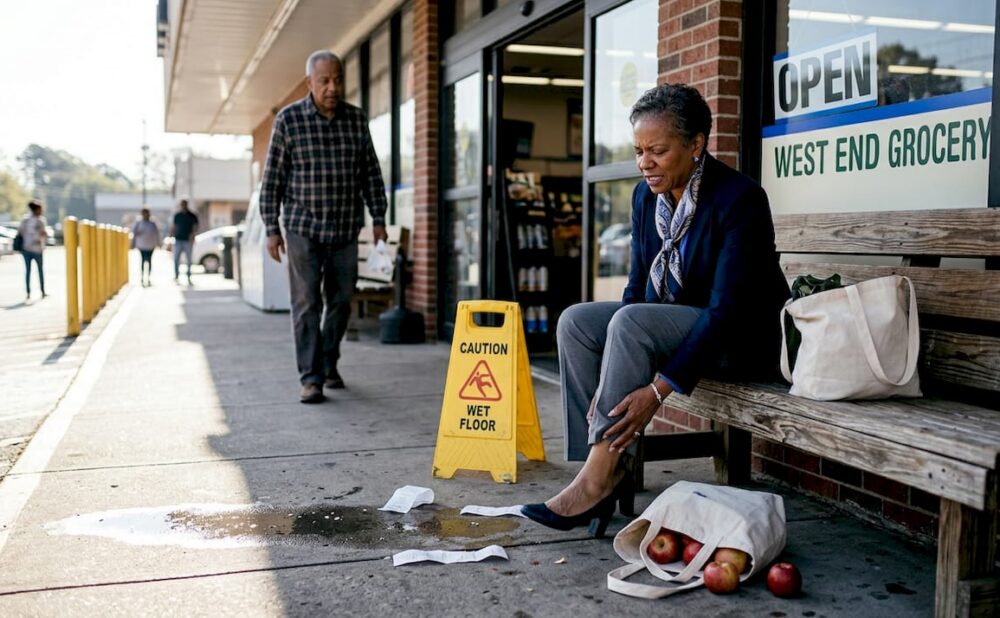
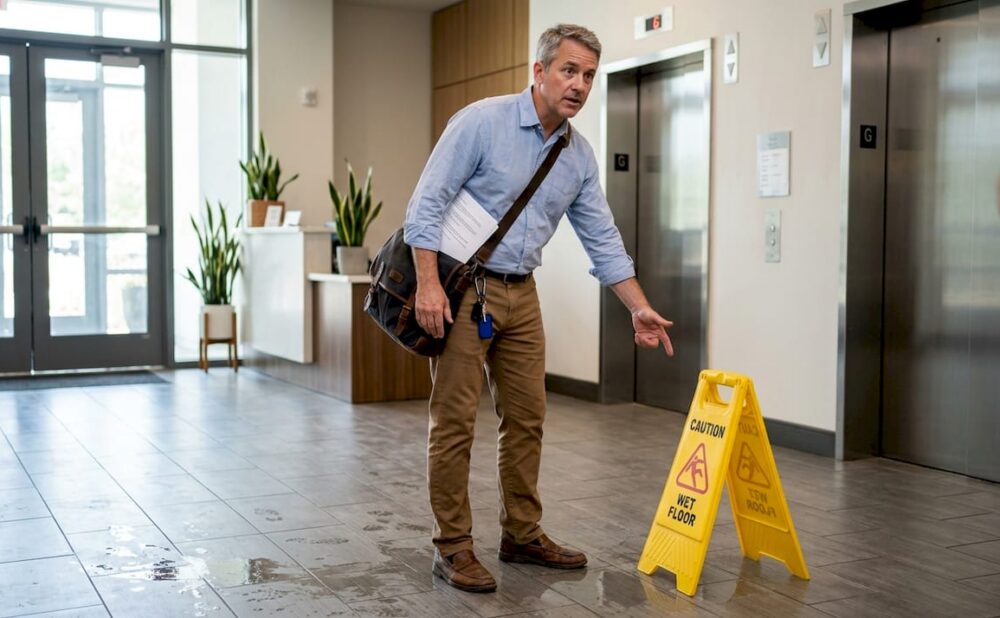
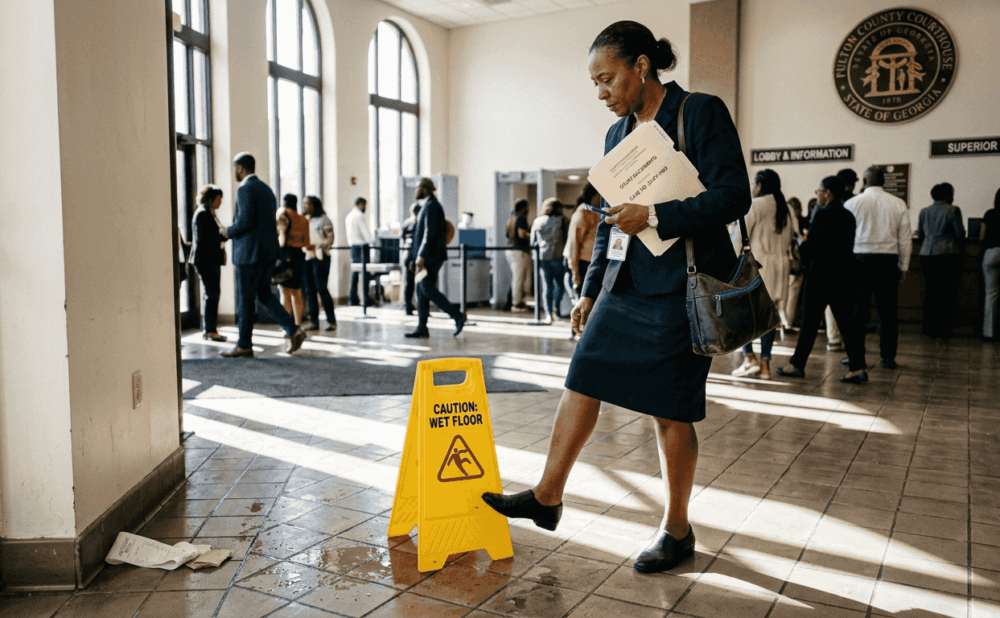
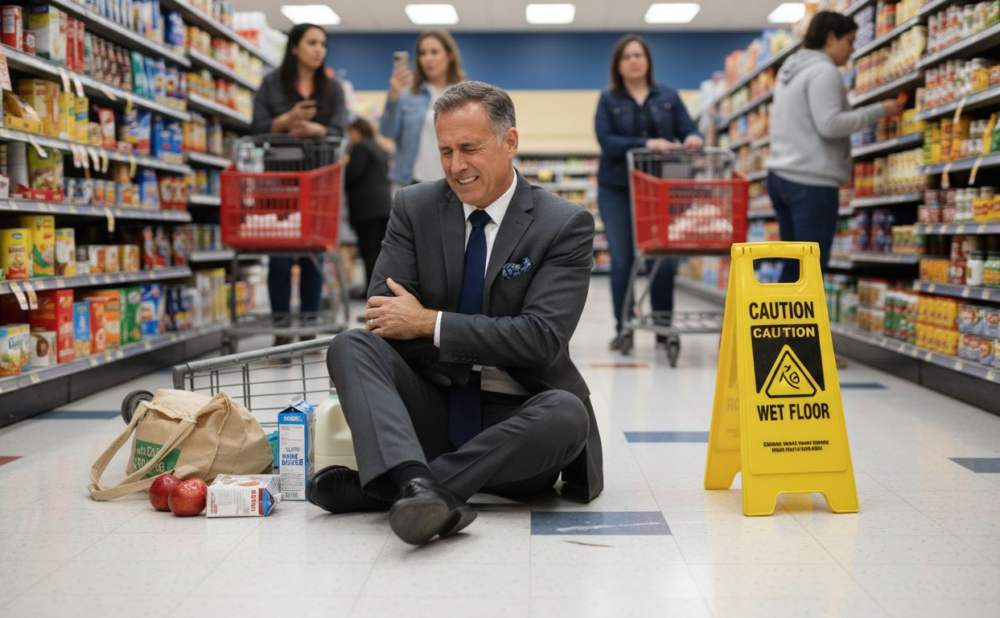
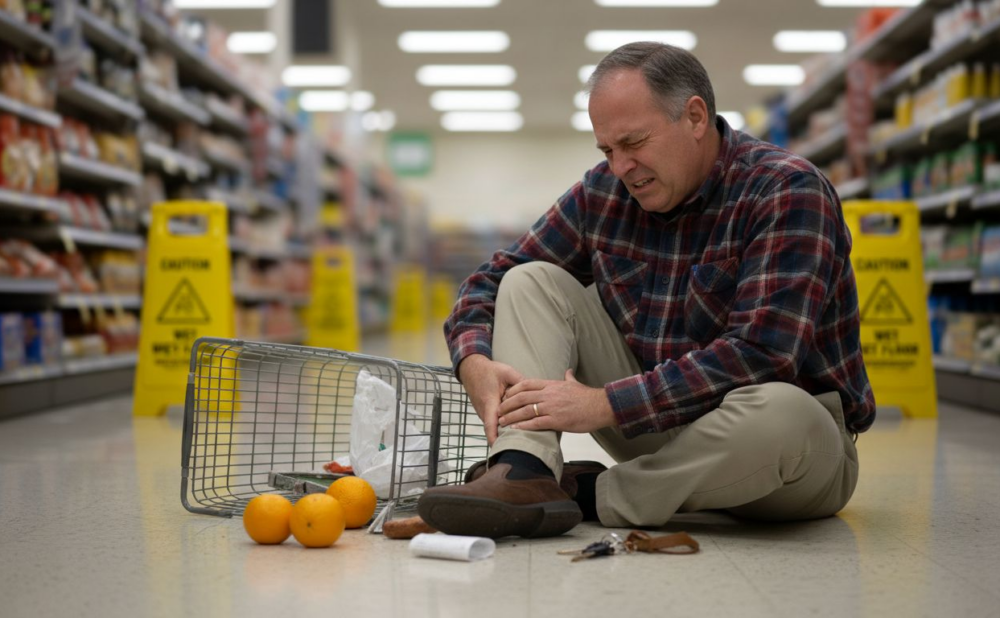
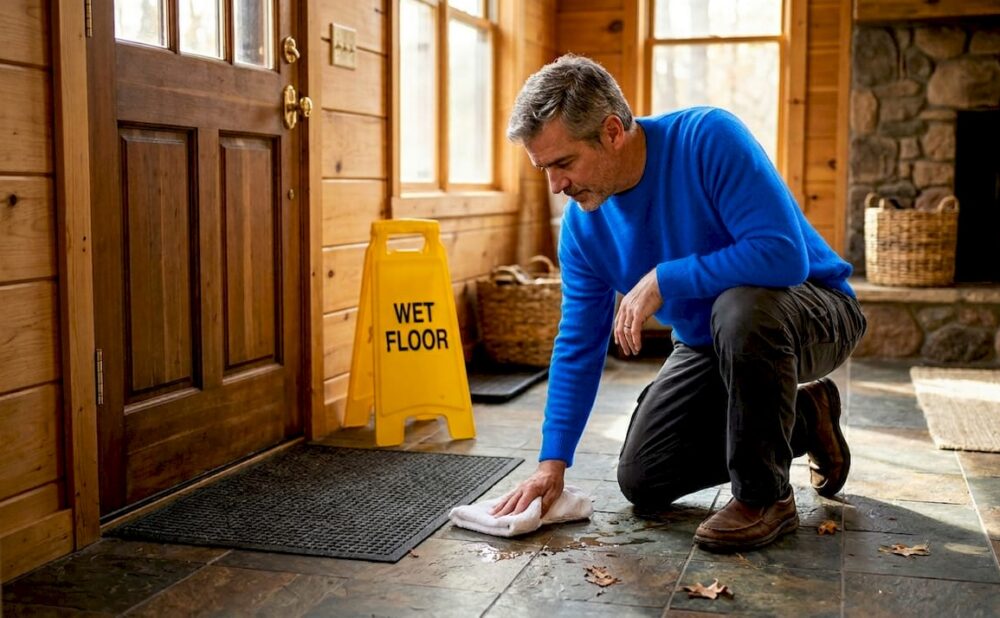
The single most important item on any slip and fall prevention list is immediate spill response. Wet floors are responsible for a disproportionate share of indoor falls, yet the fix is simple. Clean spills immediately, use absorbent mats in high-moisture zones like entryways and kitchen areas, and post wet floor signs during any cleaning process.
The part most property managers miss is sign removal. Posting and removing wet floor signs promptly matters because signs left out after a floor has dried cause people to ignore them. When signs lose credibility, they stop working as warnings.
Pro Tip: Place color-coded mats in your busiest entry points. Darker mats show dirt and saturation faster, so you know when to swap them out before they become slip hazards themselves.
2. Remove clutter and debris from all walkways
Clutter is a trip hazard that often builds up gradually. Extension cords across hallways, boxes stacked near stairwells, seasonal decorations left in corridors. Each one represents a real risk. Walk your property weekly with fresh eyes, specifically looking for objects that have crept into foot traffic zones.
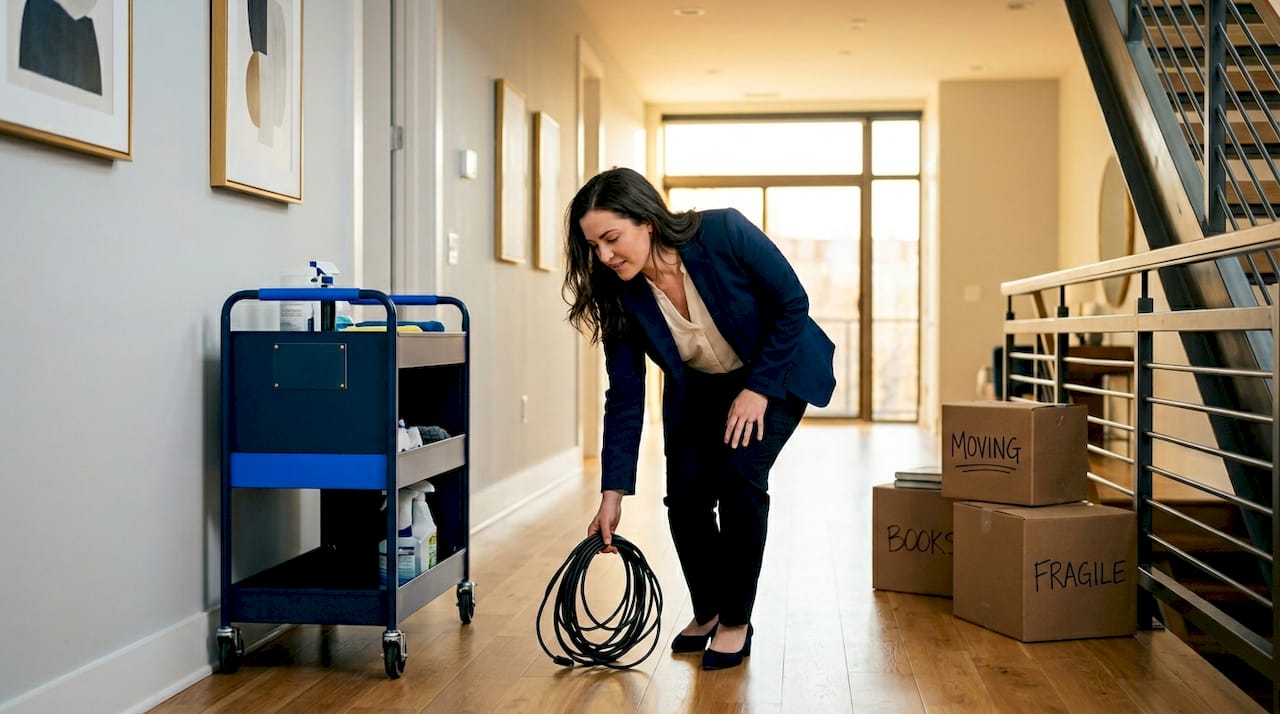
For property managers, this is especially critical in shared spaces: laundry rooms, parking garages, and lobby areas. Residents and tenants often leave items with no intention of creating a hazard. A simple posted policy and quick weekly walk-through keeps these areas clear.
3. Use anti-slip mats and traction surfaces strategically
Not all mats are created equal. Thin, lightweight rugs without non-slip backing are hazards themselves. Use absorbent, rubber-backed mats in bathrooms, kitchens, laundry rooms, and building entrances. Check mat edges regularly since curled or worn corners are a leading trip cause.
For outdoor surfaces, consider anti-slip tape or textured coatings on steps and ramps. These work year-round but are especially valuable in wet climates or during Georgia’s occasional icy mornings.
4. Improve lighting in every high-risk area
Poor lighting is one of the most overlooked factors in slip and fall incidents. People cannot avoid what they cannot see. Bright lighting in hallways, stairwells, and entrances directly reduces missteps and missed hazards. Replace burned-out bulbs within 24 hours and consider motion-sensor lighting for storage rooms, parking areas, and seldom-used corridors.
Reflective floor markings or edge-contrasting tape on stair noses add another layer of visibility, particularly for older adults or anyone entering from bright outdoor sunlight. A layered approach to visibility pays off. Most slips and falls are avoidable when environmental controls like lighting are prioritized alongside physical hazard removal.
5. Address seasonal and outdoor hazards proactively
Snow and ice create sudden, severe outdoor slip risks. The best practice is to clear snow and ice within one hour of accumulation and reapply salt or sand as conditions change throughout the day. Mark known hazardous areas visibly when full clearance is not yet possible.
Here is the step many property managers skip: surface repair. Cracks and potholes trap ice and create recurring winter slip hazards even after snow removal. Filling surface defects before winter begins removes a problem that no amount of salting fully solves. Pairing physical surface fixes with traction treatments reflects best practices for winter prevention that go well beyond keeping a bag of ice melt by the door.
6. Encourage proper footwear for occupants and staff
Footwear is a behavioral control, and it often gets skipped in prevention checklists because it feels less tangible than fixing a floor. But the data is clear. Non-skid, rubber-soled shoes with low heels and ankle support meaningfully reduce fall risk on wet or icy surfaces. For commercial properties, post reminders and consider incorporating footwear guidance into tenant or employee onboarding.
- Avoid smooth-soled dress shoes on polished tile or marble floors
- Use slip-on traction devices over regular shoes during outdoor icy conditions
- Advise against carrying items that block the line of sight to the walking surface
- Remind people to slow down when floors are wet or unfamiliar
Pro Tip: Keep a small bin of disposable slip-on shoe covers or traction devices near building entrances during winter months. It costs very little and protects visitors who arrive in the wrong footwear.
7. Train occupants and staff to recognize and report hazards
Prevention does not work if only one person is responsible for it. Training everyone to recognize hazards and know the reporting process multiplies your prevention efforts without multiplying your workload. When a tenant notices a spill in a common area, they should know immediately who to call and how.
For homeowners, this is simpler but still applies. Make sure everyone in the household knows where cleaning supplies are, understands the importance of quick spill response, and is in the habit of reporting damage to walkway surfaces, lighting, or floor coverings.
8. Conduct regular safety audits and inspections
A slip and fall safety checklist only works when used consistently. Build scheduled inspections into your calendar, not just after incidents. Focus on these high-risk zones:
| Inspection Zone | What to Look For | Frequency |
|---|---|---|
| Building entrances | Mat condition, wet floors, lighting, debris | Weekly |
| Stairwells | Loose handrails, lighting, worn step surfaces | Monthly |
| Bathrooms and wet areas | Mat placement, grab bar security, drain function | Weekly |
| Outdoor walkways | Surface cracks, ice accumulation, lighting | After weather events |
| Parking areas | Potholes, drainage, line markings | Quarterly |
Routine safety audits paired with immediate repairs are what separate properties with strong safety records from those with recurring incidents. Log every inspection and every repair. That documentation also matters if a liability question ever arises.
9. Apply a bathroom-specific prevention protocol
Bathrooms combine hard flooring, water, soap, and limited grab points. They are the highest-risk room in most homes and a major liability zone in commercial restrooms. Non-slip mats inside and outside showers, grab bars near toilets and tubs, and consistent mat maintenance are the baseline.
Combining traction aids with strategically placed grab bars produces the highest fall prevention success in wet areas. Install grab bars into wall studs rather than drywall anchors to support real load. Replace any mat showing worn texture or reduced grip immediately.
- Use mats rated for wet environments, not decorative bath rugs
- Check grab bar mounting annually for stability
- Ensure drains function properly so water does not pool on floors
- Keep soap and shampoo dispensers located away from standing areas where drips accumulate
10. Control slip risks during and after cleaning
Cleaning floors creates a temporary but serious slip hazard. Disinfectant dwell time of 5 to 10 minutes leaves floors wet and often slicker than a simple water spill. Use proper chemical dilution to avoid leaving a residue that makes dry floors slippery hours after cleaning. Post wet floor signs for the full duration and keep foot traffic out of the area until completely dry.
Training on proper cleaning and chemical use is critical for property managers who have cleaning staff or service contractors. Ask for documentation of their procedures. A cleaning contractor who rushes drying time or uses incorrect dilution ratios can create the exact conditions you are trying to prevent.
11. Build a cyclic audit and fix process
A slip and fall prevention program that runs once and stops is not prevention. It is a one-time inspection that leaves your property exposed the other 364 days. Effective programs audit, fix, and verify on a continuous cycle that adapts to seasonal changes, new construction, changing tenant use patterns, and weather events.
After every weather event, run your checklist again. After every cleaning cycle in a commercial property, verify the floor is fully dry and signs are removed. After any repair, confirm it was done correctly and log the result. This discipline keeps you ahead of hazards rather than responding to injuries.
Understanding slip and fall liability in Georgia is equally important for property managers. Documented prevention efforts directly affect how liability is assessed if a claim ever arises.
My perspective on what the checklists miss
I’ve worked through enough of these cases to tell you that the checklist itself is rarely the problem. Most homeowners and property managers know they should mop spills, fix lighting, and use mats. What I’ve seen repeatedly is the gap between knowing and doing, especially under time pressure.
The hazards that actually cause injuries tend to be the ones people thought were “good enough.” A mat that’s been in place so long it has started to saturate and curl at one corner. A crack in the parking lot that never quite moved up the repair list. A cleaning crew that sprays and moves on without waiting for full drying time. These are the details that slip and fall prevention lists rarely capture because they require someone with actual skin in the game to notice.
My honest take is this: seasonal preparation is where most properties fall shortest. Winter is not the only seasonal risk. Summer rain tracking through entryways, fall leaves on walkways, and spring melt on unrepaired cracks all create recurring cycles of risk. A truly effective prevention program does not have an “off season.”
Prevention is not a checkbox you mark and move on from. It’s a mindset you build into how you manage and maintain a space.
— Ali
If a fall has already happened, know your options
Even when you do everything right, accidents still occur on someone else’s poorly maintained property. If you or someone you know was injured in a slip and fall due to a negligent property owner, the legal consequences can be significant.
Jewkesfirm represents clients in South Atlanta and surrounding Georgia counties who have been hurt in preventable falls. The firm works on a contingency basis, meaning you pay nothing unless they win your case. Whether you are a homeowner trying to understand your responsibilities or an injury victim seeking fair compensation, Jewkesfirm offers a FREE CONSULTATION to discuss your situation. Reach out today and make sure your rights are fully protected.
Explore your slip and fall rights with a trusted Georgia personal injury team.
FAQ
What should be on a basic slip and fall prevention list?
A solid slip and fall prevention list covers spill cleanup, walkway clutter removal, non-slip mats, adequate lighting, footwear guidance, and regular safety inspections. Adding seasonal controls for ice and outdoor surfaces rounds out the core checklist.
How often should property managers inspect for slip hazards?
High-traffic areas like entrances and bathrooms should be inspected weekly. Outdoor walkways and parking areas should be checked after every weather event, with a full property inspection at least quarterly.
Are wet floors after cleaning a real liability risk?
Yes. Cleaning chemicals left on floors during or after disinfection can make surfaces slicker than plain water. Using proper dilution, respecting dwell times, and controlling foot traffic until floors are fully dry significantly reduces this risk.
What footwear reduces fall risk the most?
Non-skid, rubber-soled shoes with low heels and proper ankle support provide the strongest protection against slips on wet, icy, or polished surfaces. Avoiding smooth-soled shoes on tile or hardwood also reduces indoor fall risk substantially.
When does a slip and fall become a legal matter in Georgia?
When a fall occurs on a property where the owner knew or should have known about a hazardous condition and failed to address it, that owner may be held liable. Consulting an attorney, like those at Jewkesfirm, helps injured parties understand if they have a valid claim.