

TL;DR:
- Immediate safety actions and thorough documentation are crucial to strengthen your claim.
- Organized records and careful communication with insurers protect your right to fair compensation.
- Consulting a lawyer early improves your chances of maximizing damages under Georgia laws.
A car crash can upend your entire life in seconds. One moment everything is fine, and the next you’re dealing with injuries, vehicle damage, confused witnesses, and insurance calls you don’t know how to handle. That chaos is exactly what makes accident victims vulnerable. Missing even one step can seriously weaken your claim or cost you the compensation you deserve. This checklist is designed to give you clarity, control, and a reliable path forward. Whether you’re dealing with a minor fender-bender or a serious collision in South Atlanta, knowing what to do right away can make all the difference.
Table of Contents
- Immediate actions at the accident scene
- Key documentation for a strong claim
- Working with insurance: what to say and avoid
- Navigating Georgia law: local pitfalls and legal help
- The crucial checklist step most accident victims skip
- Get expert help for Georgia auto accident claims
- Frequently asked questions
Key Takeaways
| Point | Details |
|---|---|
| Act immediately | Taking the right steps at the scene preserves safety and your legal rights. |
| Gather strong evidence | Organized documentation gives your claim credibility with insurers and courts. |
| Understand Georgia laws | Local fault and traffic rules can dramatically impact your compensation outcome. |
| Consult a lawyer | Quick legal advice prevents costly errors and maximizes injury claims. |
Immediate actions at the accident scene
The first minutes after a crash are critical. Your actions at the scene directly shape the strength of your claim. Follow these steps in order.
- Check for injuries and move to safety. If anyone is hurt, call 911 immediately. Do not move injured individuals unless there is an immediate danger like fire. Turn on your hazard lights and set up flares or cones if you have them.
- Call the police. Even in minor accidents, an official police report creates a factual record that insurers and courts rely on. Request the report number before you leave the scene.
- Exchange information. Get the name, phone number, driver’s license number, license plate, and insurance information from every driver involved. Collect names and contact details from witnesses too.
- Document everything. Take photos and videos of all vehicles, visible injuries, road conditions, traffic signs, skid marks, and the general scene from multiple angles. Time-stamped photos from your phone are powerful evidence.
- Keep your statements neutral. Do not apologize, admit fault, or speculate about what happened. Even an offhand comment like “I didn’t see you” can be used against you later.
- Seek medical attention right away. Some injuries, like whiplash or internal trauma, don’t show symptoms immediately. Delays in seeking treatment can hurt your claim and are often used against victims by insurers trying to dispute causation.
Review these steps to protect your rights as soon as you’re able to, so nothing important slips through the cracks.
Pro Tip: Ask the responding officer for the accident report number at the scene. This saves significant time when following up on official documentation later.
“Protect the scene, protect the evidence, protect your future. Your decisions in those first minutes matter more than most people realize.”
Once the immediate aftermath is under control, your next priority is to document the incident and start building your case.
Key documentation for a strong claim
With your immediate safety secured, organizing your documentation makes filing claims much more manageable. Strong claims are built on strong paper trails. The more organized your records are, the harder it is for insurers to dispute your losses.
Here is what you need to gather and preserve:
- Police and accident reports. These are foundational. Get a copy as soon as the report is filed, usually within a few days.
- Medical records and bills. Every visit, diagnosis, prescription, and treatment must be documented. Don’t skip follow-up appointments.
- Photographs and videos. Include images of damage, the scene, road hazards, and your injuries taken at different stages of recovery.
- Witness statements. Written or recorded accounts from people who saw the accident add independent credibility to your version of events.
- Receipts for all expenses. This includes car rental costs, repair estimates, medications, physical therapy, and any other out-of-pocket expenses tied to the accident.
- An ongoing injury journal. Write daily notes about your pain levels, limitations, missed work days, and how the injury affects your family life. This record is powerful in settlement negotiations.
Multi-party fault disputes are common in high-traffic areas like South Atlanta, which is exactly why detailed documentation gives you a critical edge. You can also review South Atlanta accident claim examples to understand what documentation looks like in real cases.
Pro Tip: Keep all documents, photos, receipts, and notes in one dedicated folder, either physical or digital. When your attorney reviews your case, organized records translate directly into faster, stronger results.
Working with insurance: what to say and avoid
After your documents are organized, your next interactions with insurers can have a long-term impact on your claim. Insurance adjusters are skilled at asking questions designed to minimize your payout. Knowing how to respond protects your claim’s value.
Here is what smart communication looks like:
- Contact your insurer promptly. Most policies require timely reporting. Call to notify them of the accident, but keep your statement brief and factual.
- Stick to confirmed facts only. Say what happened without guessing, speculating, or exaggerating. If you don’t know something, say so.
- Never admit fault or apologize. This is true even in conversations with your own insurer. Fault is determined through investigation, not conversation.
- Request written communication. Ask adjusters to follow up by email. Written records prevent disputes over what was said.
- Decline recorded statements before consulting a lawyer. Recorded statements can be edited out of context and used to undercut your claim.
“Statements made too soon or without counsel are often used to reduce your settlement.”
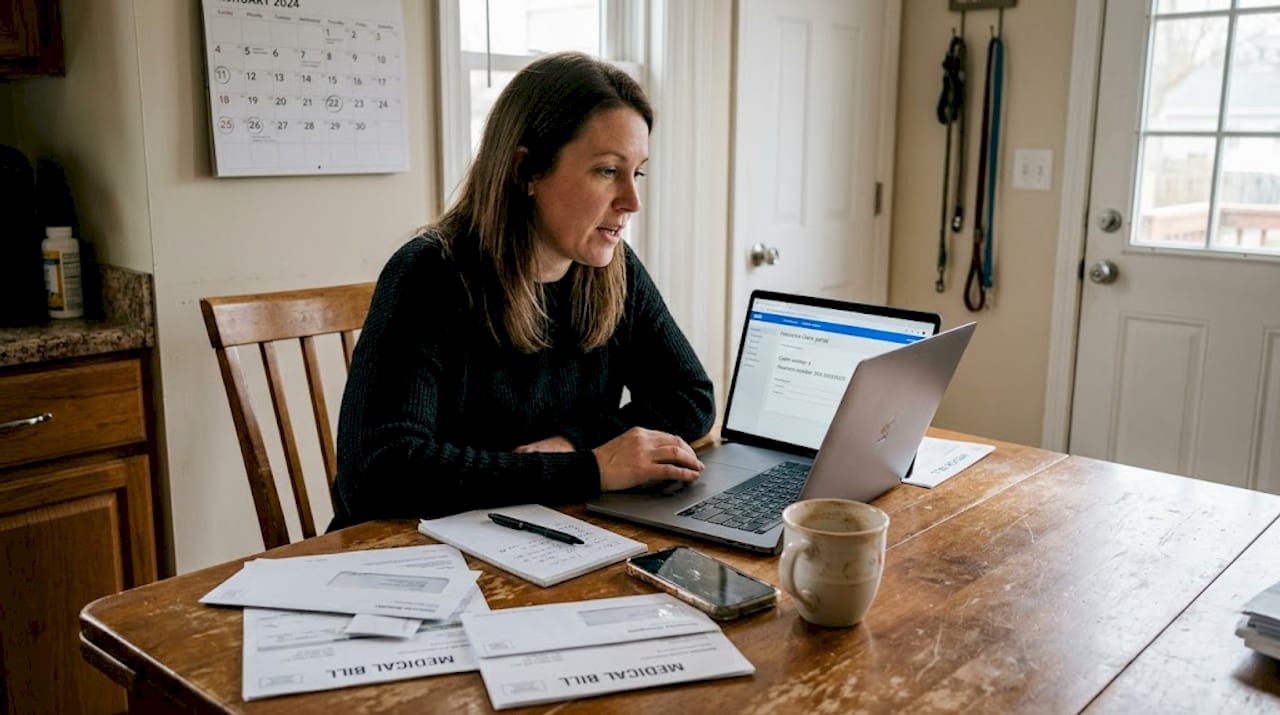
What you say to insurers can permanently impact your compensation. Understanding how to protect your rights with insurers and how Georgia fault rules factor into settlement calculations should be part of every victim’s early strategy.
Navigating Georgia law: local pitfalls and legal help
Now, to avoid costly mistakes, it’s crucial to know how Georgia-specific laws and local traffic patterns affect your next steps. Georgia operates under a modified comparative fault system, which has major implications for your claim.
South Atlanta’s high traffic means more frequent fault disputes and unique legal hurdles, especially at busy interchanges and high-volume corridors.
Here are the most important local legal realities:
- Georgia’s 50% fault rule. Under the Georgia 50% fault law, if you are found 50% or more at fault for the crash, you cannot recover any damages. If you are less than 50% at fault, your compensation is reduced by your percentage of fault.
- Statute of limitations. In most Georgia personal injury cases, you have two years from the date of the accident to file a lawsuit. Missing this deadline eliminates your right to sue.
- Complex multi-party accidents. South Atlanta’s congested roads frequently produce crashes involving multiple vehicles, rideshares, or commercial trucks. Each additional party adds legal complexity.
| Common pitfall | Best practice for Georgia victims |
|---|---|
| Admitting fault at the scene | Stick to neutral facts only |
| Delaying medical treatment | Seek care within 24 to 48 hours |
| Ignoring the 2-year deadline | Mark your calendar and consult early |
| Giving recorded statements | Wait for attorney guidance |
| Missing documentation | Use this checklist as your guide |
Explore the full guide to personal injury law in South Atlanta and learn proven strategies for maximizing Georgia compensation before you settle for less than you’re owed.
The crucial checklist step most accident victims skip
Beyond the basics, one critical step separates those who win fair compensation from those left with regrets. It is not the photos, the police report, or even the medical records. It is consulting a lawyer early enough to matter.
Most victims assume they only need an attorney if the accident was severe. That belief costs people real money. Even a crash that seems minor at first can reveal hidden injuries weeks later, disputed liability, or lowball settlement offers that seem reasonable until you understand what you actually deserve.
Delays and skipped steps raise questions about your claim that are very hard to answer once the evidence fades. Insurers count on victims acting without guidance. When you don’t know the value of your claim, they do, and they use that imbalance against you.
An early conversation with an attorney levels the playing field immediately. It costs nothing upfront with most personal injury firms, and it protects everything you’re trying to build. Understanding why you need an attorney early is the most overlooked step in this entire checklist, and it’s often the most valuable one.
Get expert help for Georgia auto accident claims
If you’re feeling overwhelmed or uncertain about your next move, getting expert legal guidance is only a click away.
The Jewkes Firm personal injury lawyers offer free consultations with no obligation, so you can get case-specific answers before signing any insurer statements or accepting any settlement offer. We serve clients across South Atlanta and surrounding Georgia counties, bringing fiercely dedicated advocacy to every case we take on. Pay nothing until we win for you. Your path to fair compensation starts with one conversation. Call today for your FREE CONSULTATION and let us protect what you’ve worked hard to preserve.
Frequently asked questions
How soon should I seek medical care after an auto accident?
Seek medical attention immediately, as treatment delays over 48 hours are routinely used by insurers to question whether your injuries were caused by the accident. Your health and your claim depend on acting fast.
What documents do I need for a car accident claim in Georgia?
You need the police report, medical records, photos of the scene, witness contact information, and receipts for all accident-related expenses. Organized documents and evidence are the foundation of every successful claim.
Does Georgia’s 50% fault rule affect my compensation?
Yes. Under Georgia’s 50% fault rule, being found 50% or more at fault bars you from recovering any damages, while being less than 50% at fault reduces your settlement proportionally.
When should I contact a lawyer after an accident?
Contact a lawyer as soon as possible after the crash. Delayed consultation hurts your legal outcomes and gives insurers more room to control the narrative before you understand your rights.