Multi-party accidents are defined as collisions involving three or more drivers whose shared or individual fault creates overlapping legal and insurance obligations. The complexities of multi-party accidents go far beyond a standard two-car crash. Liability must be divided among several parties, insurance companies run competing investigations, and compensation depends on how fault percentages are assigned under your state’s specific legal framework. Concepts like comparative negligence, joint and several liability, and Personal Injury Protection (PIP) coverage all come into play at once. Understanding how these forces interact is the first step toward protecting your right to full compensation.
How is liability determined in multi-party accidents?
Liability in multi-party collisions is assigned based on each driver’s contribution to the crash, measured as a percentage of total fault. The legal framework that governs this process varies significantly by state, and knowing which system applies to you directly affects how much you can recover.
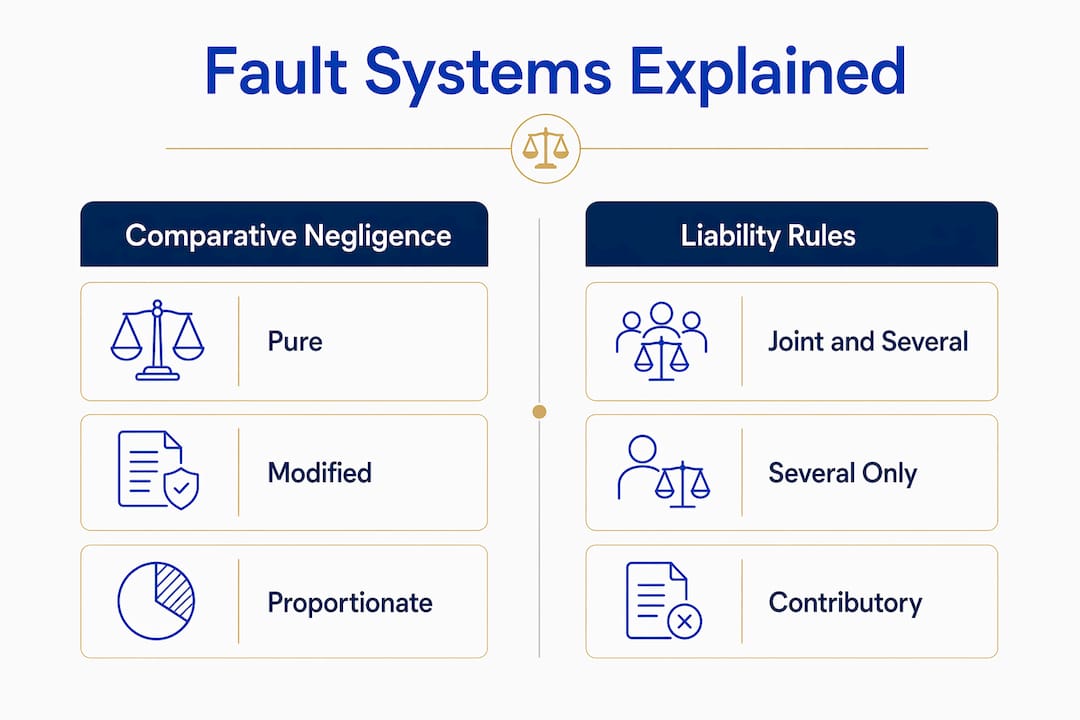
States use different fault systems that produce very different outcomes for injured victims. Under pure comparative negligence, used in states like California and Washington, your damages are reduced by your percentage of fault but never eliminated entirely. Under pure contributory negligence, applied in Alabama and Virginia, being even 1% at fault bars you from recovering anything at all. Georgia uses a modified comparative negligence standard: you can recover damages as long as you are less than 50% at fault, but your award is reduced proportionally. The Georgia 50% fault rule is a critical threshold every accident victim in the state needs to understand.
The sequence of impact is the most critical factor in pileups. Whether a driver rear-ended another voluntarily or was pushed forward by a third vehicle changes the liability picture entirely. Accident reconstruction specialists, police reports, and dashcam footage are used to map this sequence precisely.
Joint and several liability rules, available in jurisdictions like California, allow an injured victim to collect the full amount of economic damages from any single at-fault driver regardless of that driver’s individual fault percentage. This matters when one driver is underinsured and another has deeper coverage.
| Fault system | States | Effect on recovery |
|---|---|---|
| Pure comparative negligence | California, Washington | Damages reduced by your fault percentage; recovery never barred |
| Modified comparative negligence | Georgia, Texas, Florida | Recovery barred if you are 50% or more at fault |
| Pure contributory negligence | Alabama, Virginia | Any fault on your part bars all recovery |
| Joint and several liability | California and others | Full economic damages collectible from any one at-fault party |
Pro Tip: Before accepting any settlement offer, confirm which fault system your state uses. A victim in Georgia who is 30% at fault still recovers 70% of damages. A victim in Virginia in the same position recovers nothing.
What evidentiary challenges arise in multi-party accident claims?
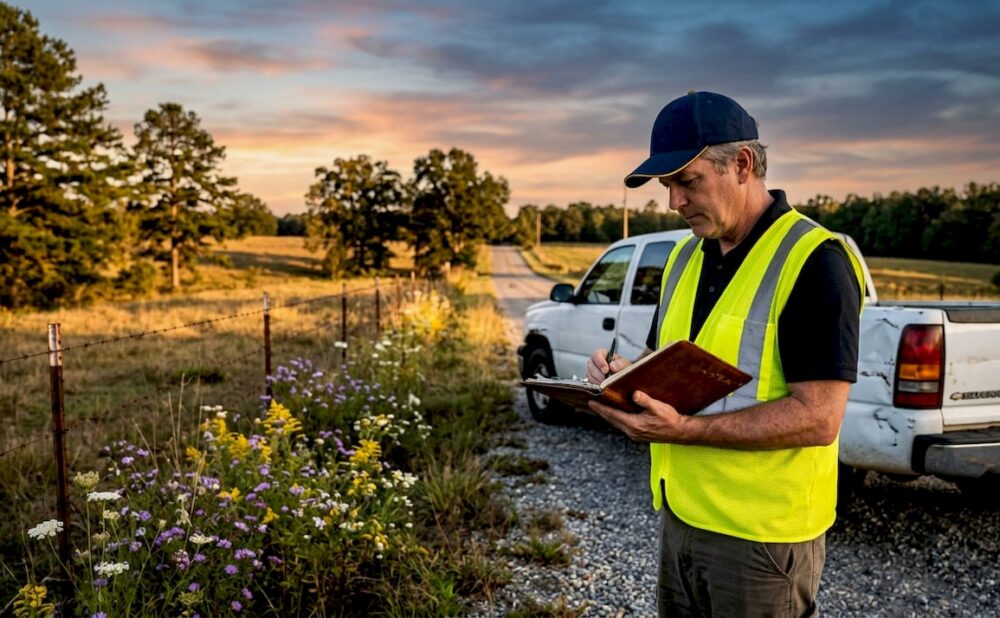
Evidence in multi-vehicle crashes is perishable, and the window to collect it closes fast. Victims who delay legal counsel risk losing critical evidence that establishes the sequence of impacts, which is the foundation of any liability argument.

Legal teams investigate every detail of multi-party accidents, including digital data from event data recorders (black boxes), surveillance footage, witness statements, and police reconstructions, to piece together the accident sequence and assign fault percentages. Each piece of evidence serves a different purpose. Witness statements capture what human observers saw from specific angles. Dashcam footage provides objective visual confirmation. Black box data from vehicles records speed, braking force, and steering input in the seconds before impact.
Multiple insurance companies run independent, parallel investigations in multi-party claims, each aiming to minimize their insured’s fault. This creates conflicting narratives that can delay settlements and confuse fault allocation. Without professional coordination, a victim’s own statements to one insurer can be used against them by another.
Here are the steps you should take immediately after a multi-party accident:
- Call 911 and request a police report. This is the official record of the crash and becomes a primary reference for all investigations.
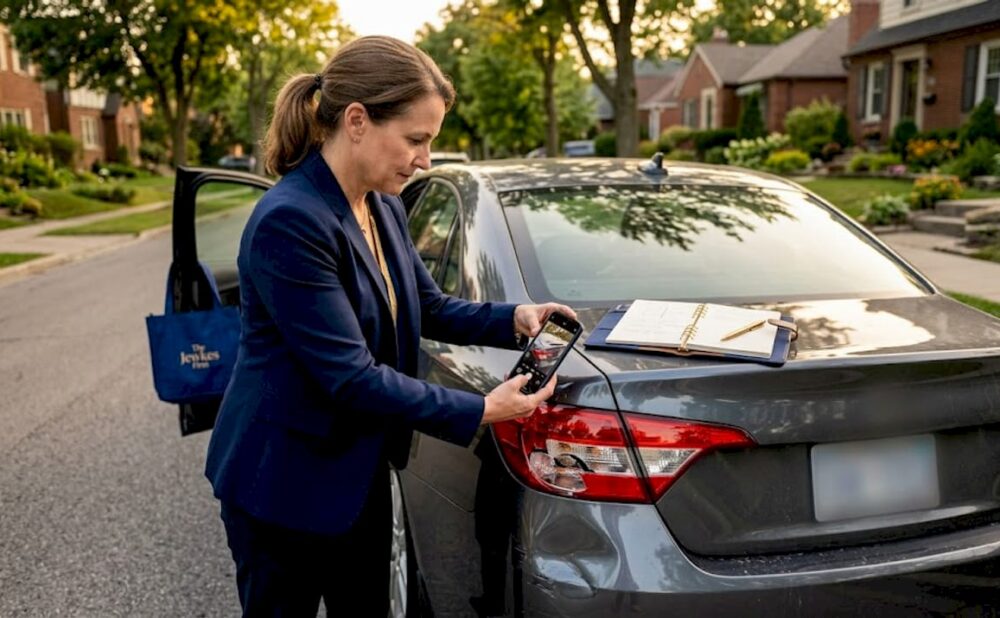
- Photograph every vehicle, road condition, traffic sign, and visible injury before anything is moved.
- Collect contact and insurance information from every driver involved, not just the one who hit you.
- Identify and speak to witnesses before they leave the scene. Get their names and phone numbers.
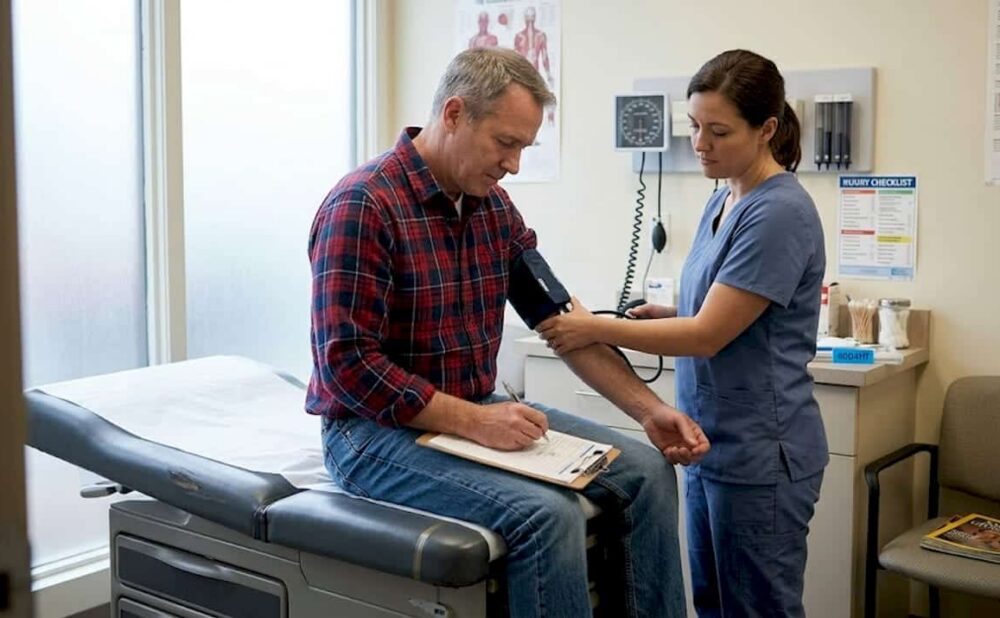
- Seek medical evaluation the same day, even if you feel fine. Delayed injury documentation weakens your claim.
- Contact a personal injury attorney before giving recorded statements to any insurance company.
Pro Tip: Never accept a quick settlement offer before a full investigation is complete. Quick partial settlements provide immediate relief but may eliminate your ability to pursue full damages from other liable parties later.
How do insurance factors and policy limits affect compensation?
Insurance payouts in multi-vehicle collisions are proportional to assigned fault. In a $50,000 claim where Driver A is 60% at fault and Driver B is 40% at fault, their respective insurers pay $30,000 and $20,000. This math sounds clean, but real cases rarely are.
Victims often face a limited pool of insurance money. When the primary at-fault driver carries only state-minimum coverage, those funds may be exhausted before all injured parties are compensated. At that point, pursuing secondary liable parties, such as vehicle owners, employers, or maintenance contractors, becomes necessary to recover full damages.
Uninsured/Underinsured Motorist (UM/UIM) coverage becomes especially valuable in multi-party scenarios. If one driver has no insurance or inadequate limits, your own UM/UIM policy can fill the gap. States like Florida also require Personal Injury Protection (PIP) coverage, which pays a portion of medical expenses regardless of fault, providing a baseline while fault disputes are resolved.
| Insurance factor | Challenge | Strategy |
|---|---|---|
| Multiple policy limits | Funds may be exhausted before all victims are paid | Identify all liable parties and pursue secondary sources |
| Fault disputes between insurers | Delays payouts and reduces offers | Document everything; retain legal counsel early |
| UM/UIM coverage | Often overlooked by victims | Review your own policy before settling with at-fault drivers |
| PIP coverage | State-specific; not universally available | Confirm your state’s PIP rules and file promptly |
Pro Tip: Notify every potentially relevant insurer in writing within days of the accident. Late notification can give insurers grounds to deny coverage, even when you have a valid claim.
What legal considerations apply when a commercial truck is involved?
Commercial truck involvement transforms a complex multi-party accident into a legally distinct category. FMCSA rule violations establish negligence per se, meaning the violation itself serves as automatic evidence of fault without requiring further proof of unreasonable conduct. This significantly simplifies the liability argument against a trucking company.
Federal trucking regulations impose strict documentation requirements, including electronic logging device (ELD) records, driver qualification files, and vehicle inspection logs. These records must be preserved immediately after a crash because trucking companies are not required to retain them indefinitely. An attorney must send a legal hold notice to the carrier within days of the accident.
Vicarious liability extends fault beyond the truck driver to the trucking company, cargo loaders, maintenance contractors, and even the vehicle manufacturer in some cases. This matters because commercial carriers typically carry insurance limits far exceeding those of private drivers, creating a larger pool of potential compensation for all injured victims.
Key defendants to investigate in commercial truck pileups include:
- The truck driver (hours of service violations, impairment, distracted driving)
- The trucking company (negligent hiring, inadequate training, pressure to violate rest rules)
- Cargo loading contractors (improper load securement causing instability)
- Vehicle maintenance providers (brake or tire failures from deferred maintenance)
- The truck manufacturer (defective components contributing to the crash)
For a deeper look at how truck accident liability works under Georgia law, the rules around FMCSA violations and employer responsibility are worth reviewing before any settlement discussion.
What practical strategies help victims navigate multi-party claims?
The single most effective strategy in multi-party accident claims is retaining legal counsel before speaking to any insurance adjuster. Insurance adjusters frequently shift fault to other drivers to delay settlements and minimize payouts. An attorney coordinates communication across all insurers, preventing conflicting statements from undermining your claim.
Documenting every medical treatment, prescription, therapy session, and out-of-pocket expense creates the financial record that supports your damages claim. Courts and insurers both respond to documented proof, not verbal descriptions of pain. Keep a daily journal of how your injuries affect your ability to work, sleep, and perform normal activities.
Victims who seek legal advice early consistently recover more than those who handle claims alone. The difference is not just negotiating skill. It is access to accident reconstruction experts, medical specialists, and the legal knowledge to identify every liable party before the statute of limitations expires.
Do’s and don’ts after a multi-party accident:
- Do preserve all physical and digital evidence immediately
- Do get independent medical evaluations, not just emergency room visits
- Do consult an attorney before signing any release or settlement agreement
- Don’t post about the accident on social media. Insurers monitor these accounts
- Don’t give recorded statements to opposing insurance companies without legal counsel
- Don’t accept a partial settlement without understanding its effect on your remaining claims
Pro Tip: Maximizing your compensation in Georgia requires identifying every liable party and every applicable insurance policy before any settlement is signed. Once you release a party, that release is typically permanent.
Key takeaways
Winning a multi-party accident claim requires identifying every liable party, understanding your state’s fault system, and preserving evidence before it disappears.
| Point | Details |
|---|---|
| Fault systems vary by state | Georgia’s modified comparative negligence bars recovery only if you are 50% or more at fault. |
| Evidence is perishable | Black box data, surveillance footage, and witness accounts must be secured within days of the crash. |
| Insurance pools are limited | State-minimum policies may not cover all victims; pursue secondary liable parties when needed. |
| Truck accidents add federal complexity | FMCSA violations create negligence per se, and multiple defendants beyond the driver may be liable. |
| Early legal counsel is decisive | Attorneys prevent conflicting statements, coordinate insurers, and identify all recovery sources. |
What I’ve learned from watching victims navigate these cases
After years of observing how multi-party accident claims unfold, the pattern that stands out most is this: victims who act fast recover more, and victims who wait lose options they can never get back.
The emotional toll of a serious multi-vehicle crash is real. You are dealing with injuries, vehicle damage, missed work, and the stress of not knowing who is responsible or how your bills will be paid. Insurance companies understand this pressure, and some use it deliberately. The “blame game” between adjusters is not accidental. It is a calculated delay tactic designed to wear victims down into accepting less.
What I find most underappreciated is the role of the sequence of impacts. Most victims assume the driver who hit them is fully responsible. In a pileup, that driver may have been pushed by a third vehicle, shifting primary fault elsewhere. Without accident reconstruction, that truth never surfaces. The victims who come out ahead are the ones who treat evidence preservation as urgent from day one, not as an afterthought.
The legal complexities in accidents involving multiple parties are real, but they are not insurmountable. With the right team and the right approach, you can level the playing field against insurers who have handled thousands of these cases before.
— Ali
How Jewkesfirm can help with your multi-party accident claim
If you are dealing with the aftermath of a multi-vehicle crash in South Atlanta or the surrounding Georgia counties, Jewkesfirm is ready to stand in your corner.
The attorneys at Jewkesfirm handle the full scope of multi-party personal injury cases, from fault analysis and accident reconstruction to coordinating negotiations across multiple insurance companies. The firm operates on a contingency fee basis, meaning you pay nothing unless they win your case. With millions recovered for Georgia accident victims and a client-first approach that puts your voice at the center of every decision, Jewkesfirm delivers the dedicated legal support complex cases demand. Contact the Georgia personal injury team today for a FREE CONSULTATION and let them fight for the compensation you deserve.
FAQ
What makes multi-party accidents legally different from two-car crashes?
Multi-party accidents involve multiple fault percentages, competing insurance investigations, and overlapping liability rules that do not apply in standard two-car collisions. The sequence of impacts, state fault systems, and joint liability rules all become critical variables.
Can I recover damages if I was partially at fault in a multi-vehicle crash?
In Georgia, yes. Under modified comparative negligence, you can recover damages as long as you are less than 50% at fault, though your award is reduced by your percentage of fault.
How are insurance payouts divided among multiple at-fault drivers?
Payouts are proportional to fault: if Driver A is 60% at fault and Driver B is 40% at fault in a $50,000 claim, their insurers pay $30,000 and $20,000 respectively.
What should I do first after a multi-vehicle accident?
Call 911, document the scene thoroughly, collect information from all drivers and witnesses, seek medical evaluation the same day, and contact a personal injury attorney before giving any recorded statements to insurers.
Does involving a commercial truck change my claim?
Yes. FMCSA violations create negligence per se, and liability can extend to the trucking company, cargo loaders, and maintenance contractors. Commercial carriers also carry higher insurance limits, which affects how compensation is distributed among all victims.