
Key Takeaways
- Responding quickly to accident inquiries greatly increases the chance of converting leads into cases.
- A structured intake process relies on skilled specialists, standardized forms, and automation to ensure accuracy and speed.
The workflow for accident case intake is a structured series of steps designed to capture critical case information quickly, qualify a potential client, and move a personal injury claim forward without delay. Speed and accuracy define whether a case gets built on solid ground or falls apart before it starts. Firms that respond to accident inquiries within 5 minutes convert 15–30% more leads to active cases. The NAIC Model Unfair Claims Settlement Practices Act sets insurer acknowledgment windows at 15–30 days, which means your legal team must move faster than the insurance company. Jewkes Firm treats intake as the foundation of your entire claim strategy, not a formality.
What does the workflow for accident case intake involve?
Effective accident case intake requires three things before a single call is made: the right people, the right tools, and a standardized process. Without all three, data falls through the cracks and cases stall.

Key roles in the intake process
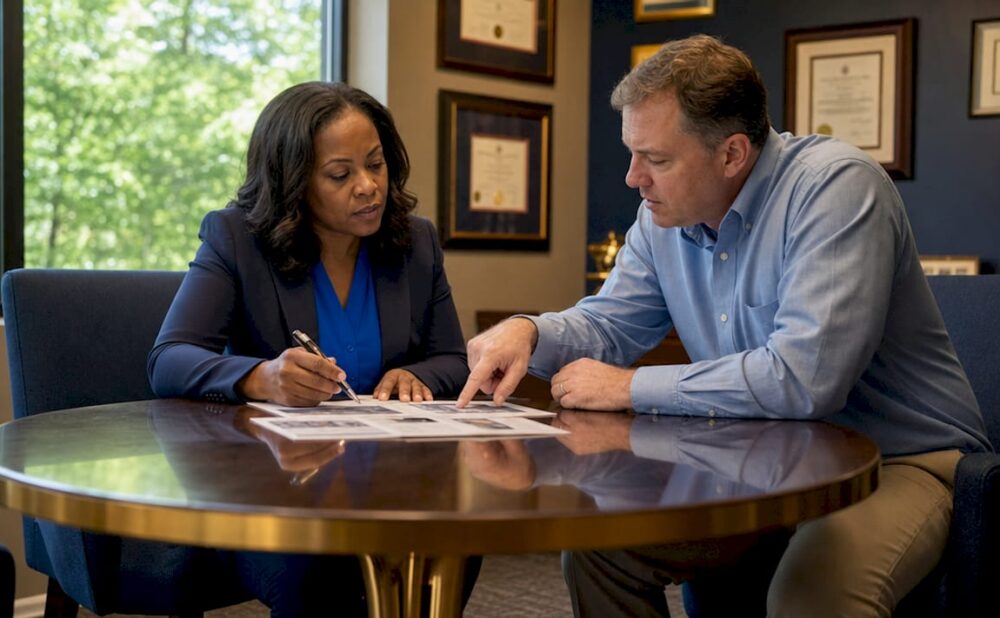
Intake specialists outperform attorneys for first contact because their only job is fast, structured qualification. Attorneys bring legal judgment, but scheduling delays cost leads. Case managers then take the completed intake file and build the case from there. Each role has a defined lane, and crossing those lanes slows everything down.

Tools that make intake work
A well-run intake process relies on three core tools:
- CRM platform: Captures lead data, tracks follow-up tasks, and prevents leads from going cold.
- Digital intake forms: Standardized fields prevent inconsistent data capture and reduce human error.
- Call scripts: Keep intake specialists on time and on topic during every call.
Digital documentation is non-negotiable. Paper forms create data silos. Missing data from silos permanently damages case value and delays filings. Every piece of information collected at intake must live in one centralized system from the moment it is captured.
Manual vs. automated intake: a direct comparison
| Feature | Manual intake | Automated intake |
|---|---|---|
| Response speed | Minutes to hours | Immediate |
| Data consistency | Variable by staff | Standardized every time |
| Conflict checks | Manual review required | Automated at submission |
| Follow-up tracking | Relies on memory or notes | CRM-triggered automatically |
| Error rate | Higher due to human input | Reduced through form validation |
Automation does not replace human judgment. It handles the repetitive tasks so your legal team can focus on the cases that need real analysis.
Step-by-step: from first contact to case assignment
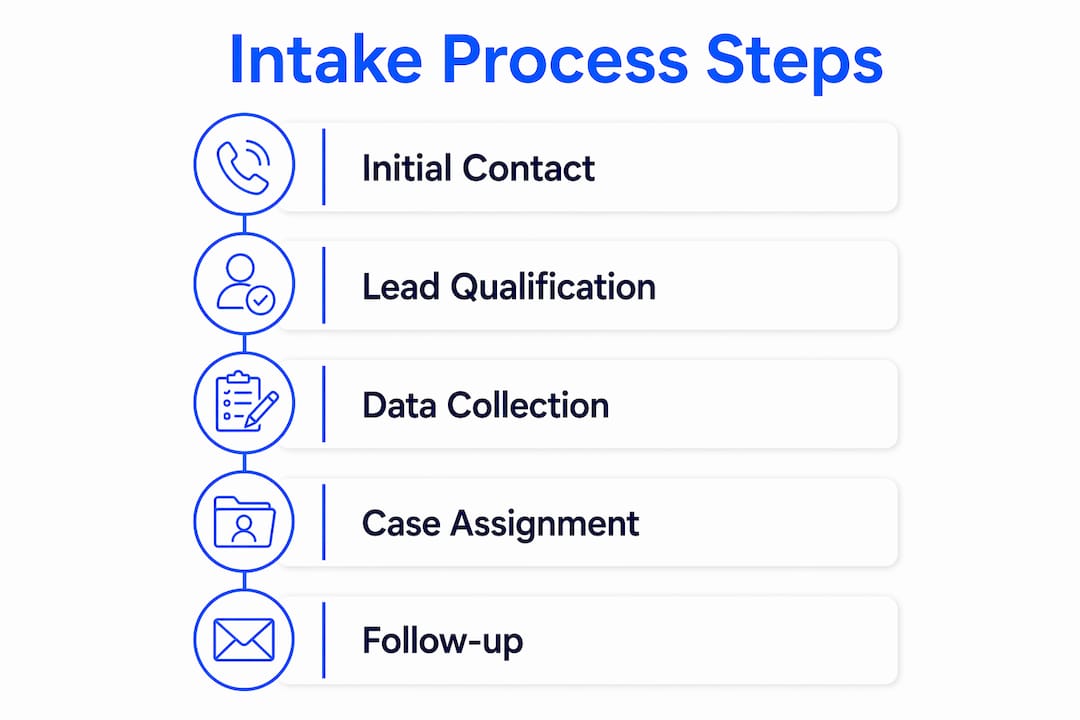
The accident case management process follows seven defined stages. Each stage has a time target and a specific output.
- Immediate response. Contact the potential client within 5 minutes of their inquiry. Every minute of delay reduces the chance they stay with your firm. This is the single most important step in the entire process.
- Structured intake call. A well-run intake call lasts 5–8 minutes. The first 30 seconds capture contact information. Accident details follow in the next 60–90 seconds. Qualifying questions begin at the 3-minute mark. This order is deliberate. You collect identity before diving into facts.
- Client qualification. Determine whether the case is viable. Key questions cover liability, injury severity, insurance coverage, and the statute of limitations. In Georgia, the statute of limitations for personal injury cases is generally two years from the date of the accident. Missing that window ends the case permanently.
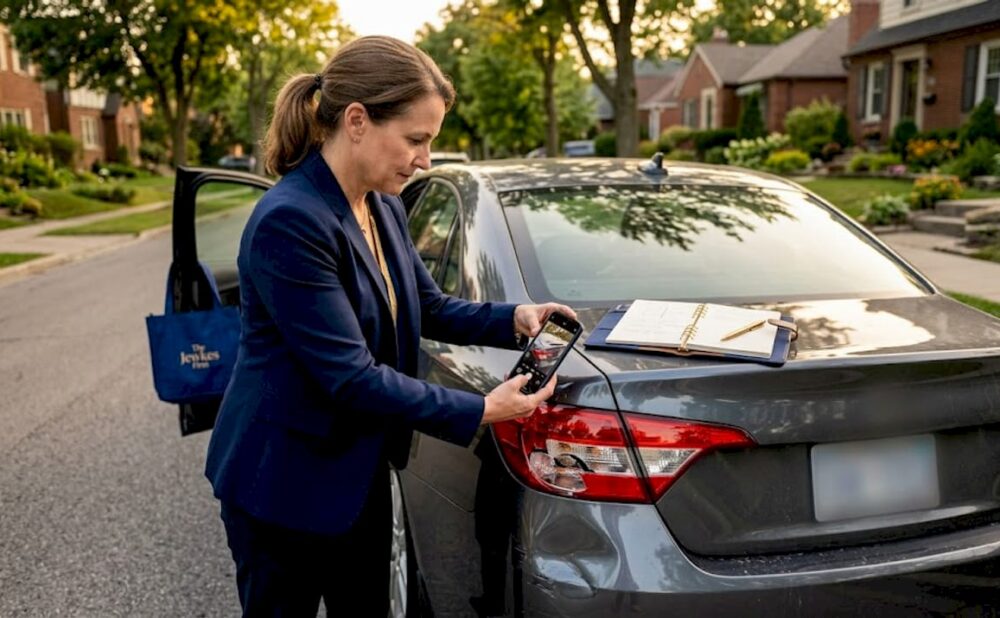
- Documentation collection. Request police reports, medical records, photos, and witness contact information. Submitting these promptly creates automatic timestamps that strengthen your claim. Web portal submissions and certified mail both create verifiable records. Knowing how to document accident injuries correctly at this stage protects your case value from the start.
- Retainer agreement. Issue the retainer as soon as the case qualifies. Delay here creates uncertainty for the client and opens the door for them to contact another firm. A signed retainer locks in the relationship and triggers formal case opening.
- Follow-up protocol. Not every qualified lead signs immediately. Automated follow-up sequences through a CRM keep the firm present without requiring manual effort from staff. Three touchpoints over 48 hours is a proven minimum.
- Handoff to case manager. Transfer the complete digital file to the assigned case manager with a structured briefing. The case manager receives every document, every note, and every deadline already entered into the system.
Pro Tip: Set your CRM to trigger an automatic follow-up text and email the moment a new lead submits an inquiry form. Automated first contact beats a manual callback every time when speed is the goal.
The Georgia personal injury case workflow adds regional nuance to these steps, particularly around filing deadlines and court procedures specific to South Atlanta and surrounding counties.
What are the most common pitfalls in accident intake?
Intake mistakes are predictable. The same errors appear across firms of every size, and each one costs cases.
- Slow response times. A lead that waits more than an hour for a callback has likely already called another firm. Speed is not a courtesy. It is a conversion factor.
- Incomplete data capture. Skipping fields during intake because the call feels rushed creates gaps that surface weeks later when the case needs those details. Standardized forms prevent this.
- Calls that run too long. Intake calls exceeding 10 minutes signal a loss of control. The specialist has stopped qualifying and started chatting. That wastes time and lowers conversion rates.
- Data silos. Information captured on paper, in email, or in disconnected systems never makes it into the case file reliably. Centralized digital records are the only solution.
- No follow-up system. Leads that do not sign immediately are not lost. They are pending. Without a follow-up sequence, they become lost. A CRM with automated reminders solves this entirely.
Pro Tip: Train intake specialists to redirect long-winded callers with a direct question: “To make sure I get you the right help, let me ask you a few specific questions.” This resets the call without being dismissive.
Reviewing your personal injury checklist before intake begins helps clients arrive prepared, which shortens call time and improves data quality.
How does automation improve the intake process for accident claims?
Automation addresses the two biggest intake failures: slow response and inconsistent data. AI tools handle initial intake tasks including conflict checks and form standardization, freeing attorneys for complex case evaluations. That division of labor is what separates high-volume firms from ones that constantly feel understaffed.
Automated dialing systems route new leads to the next available intake specialist in seconds. No lead sits in a queue waiting for someone to notice a new form submission. The system acts the moment the inquiry arrives.
Case management software ensures that every data point collected during intake transfers directly into the client file without manual re-entry. Re-entry is where errors happen. Eliminating it improves accuracy and saves time simultaneously.
Successful workflows combine automation with human review on cases that require judgment. A conflict check can be automated. Evaluating whether a complex liability situation is worth pursuing cannot. The best intake systems know the difference and route accordingly.
Key takeaways
A structured intake process is the single most important factor in converting accident inquiries into viable personal injury cases, and speed of response drives every outcome that follows.
| Point | Details |
|---|---|
| Speed determines conversion | Responding within 5 minutes converts 15–30% more leads into active cases. |
| Roles must be defined | Intake specialists, attorneys, and case managers each have a distinct function that should not overlap. |
| Calls have a time limit | Intake calls should run 5–8 minutes; calls over 10 minutes signal lost control and lower conversion. |
| Centralize all data immediately | Every intake detail must enter a single case management system to prevent data silos and missed deadlines. |
| Automation handles the repeatable | AI and CRM tools manage conflict checks, follow-ups, and routing so attorneys focus on case strategy. |
Why intake is where cases are won or lost
I have seen firms with talented attorneys lose cases they should have won, and the failure point was almost always intake. The case narrative starts the moment a client calls. If the intake call is disorganized, the client feels it. If data is missing, the attorney feels it three months later when they are trying to build a demand package.
The instinct is to treat intake as administrative work. That instinct is wrong. Intake is the operational engine of the claim. Treating it as a hurdle creates downstream drag that weakens every document that follows. The firms that win consistently are the ones that invest in intake the way they invest in trial preparation.
Speed matters more than perfection at the first contact. Get the client on the phone fast, capture the critical data points, and qualify the case. You can refine the details later. You cannot recover a lead that went to another firm because no one called back in time. Trained intake specialists free attorneys to do what they do best, and that division of labor is what builds a firm that scales without sacrificing quality. Technology supports all of it, but human judgment on the qualifying call is still irreplaceable.
Jewkes Firm is ready when you are
If you have been in an accident and are not sure where to start, the intake process does not have to feel complicated. Jewkes Firm works with accident victims across South Atlanta and surrounding Georgia counties, handling every step of the case intake process with care and urgency.
Jewkes Firm offers free consultations with no upfront cost. You pay nothing unless they win your case. Whether you were injured in a car accident, a truck crash, a slip and fall, or another incident, the team is ready to evaluate your situation and protect your rights from day one. Visit Jewkes Firm to start the process or call for a FREE CONSULTATION today.
FAQ
What is the first step in the accident case intake process?
The first step is immediate contact, ideally within 5 minutes of the initial inquiry. Speed at this stage directly determines whether the potential client stays with your firm.
How long should an accident intake call last?
A structured intake call runs 5–8 minutes. Calls that exceed 10 minutes typically signal a loss of focus and reduce the likelihood of converting the lead.
What documents are collected during accident case intake?
Intake specialists collect police reports, medical records, photos of the scene and injuries, and witness contact information. Submitting these promptly creates timestamps that strengthen the claim.
Why do personal injury firms use intake specialists instead of attorneys?
Intake specialists prioritize fast, standardized first contact. Attorneys are better used for complex case evaluation. Separating these roles improves both response speed and case quality.
What happens if intake data is not entered into a central system?
Data stored in disconnected places creates silos that cause missed deadlines and lost witness information. Centralizing all intake data immediately into a case management platform prevents these gaps.