Rural Georgia accident liability is the legal responsibility assigned after a crash on rural roads in Georgia, governed by the state’s modified comparative negligence rule. Under O.C.G.A. § 51-12-33, Georgia courts reduce your compensation by your percentage of fault and bar recovery entirely if you are 50% or more responsible. Rural accidents add a layer of complexity that urban crashes rarely face: fewer witnesses, delayed law enforcement, and deteriorating road conditions that can shift blame to multiple parties, including government agencies. Knowing how this framework operates is the first step toward protecting your right to full compensation.
How does Georgia’s modified comparative negligence law determine fault?
Georgia’s modified comparative negligence law is the foundation of every accident liability claim in the state. The rule works in two parts: proportional reduction and a hard cutoff. Fault percentages reduce your award dollar for dollar, and reaching 50% fault eliminates your recovery entirely.
The math is straightforward. A driver who is 20% at fault in a crash with $100,000 in damages recovers $80,000. A driver assigned 50% fault recovers nothing. That single percentage point between 49% and 50% can mean the difference between a meaningful settlement and zero compensation.
Fault is not decided by what you say at the scene. Fault is a legal determination built from physical evidence, police reports, witness statements, and expert analysis. A police report is one input, not the final word. Juries and insurance adjusters weigh all available sources before assigning percentages.
Multiple parties can share fault in a single crash. Georgia law allows fault to be apportioned to non-parties as well, including government agencies responsible for road conditions. That means a three-way split is legally possible: one driver, another driver, and a county road department each carrying a share of responsibility.
- Identify all potentially liable parties. Drivers, vehicle owners, employers of commercial drivers, and government entities can all carry fault.
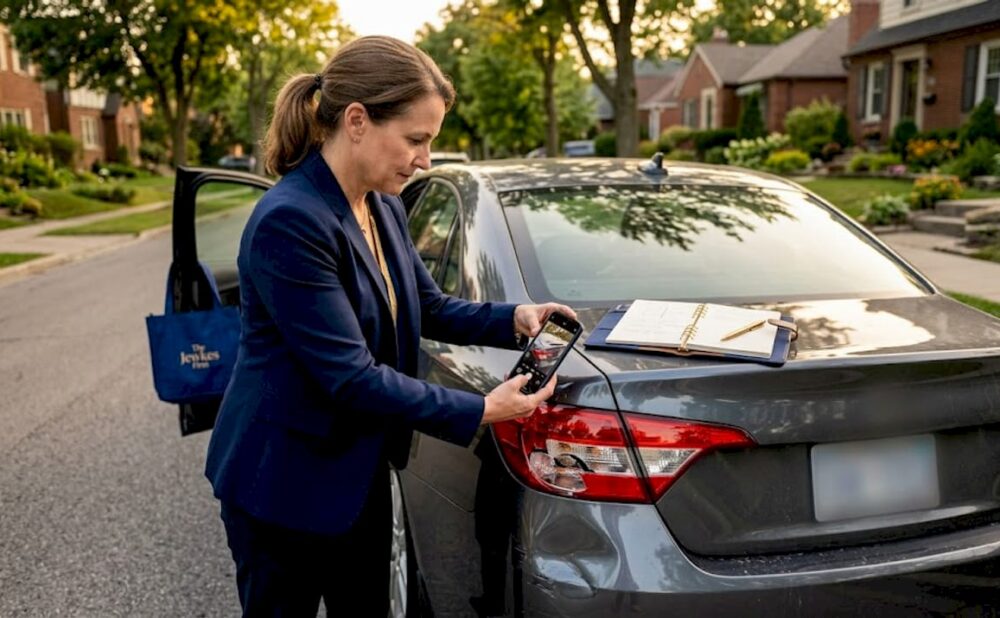
- Gather evidence immediately. Photos, skid marks, road defect documentation, and witness contact information all feed into the fault calculation.
- Avoid any admission of fault. Insurance adjusters use admissions to push your fault percentage higher, directly cutting your settlement.
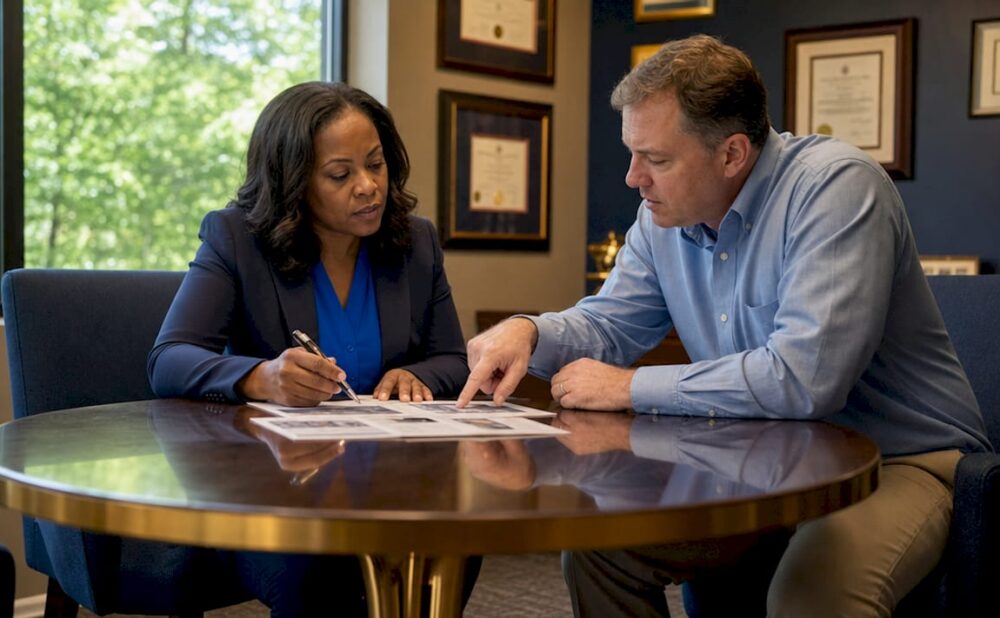
- Retain legal counsel before speaking to any adjuster. Adjusters represent the insurer’s interests, not yours.
Pro Tip: The 40–49% fault range is the most dangerous zone for claimants. Every percentage point lost in that range costs you real money and brings you closer to the 50% bar that eliminates your claim entirely.
What unique challenges affect liability claims in rural Georgia?
Rural accident scenes create evidentiary problems that urban crashes rarely produce. Georgia recorded 1,615 motor vehicle deaths and 8,171 serious injuries statewide in recent data, with rural roads carrying a disproportionate share of that toll. Rural roads lack witnesses and traffic cameras, and law enforcement response times are longer, all of which erode the quality of evidence available to support your claim.
These gaps hurt claimants in specific ways:
- No surveillance footage. Urban intersections often have cameras. Rural county roads almost never do, leaving no objective record of how the crash happened.
- Delayed law enforcement arrival. When officers arrive late, skid marks fade, debris shifts, and the scene loses its evidentiary value. Scene preservation becomes nearly impossible.
- Few or no eyewitnesses. A single witness can corroborate your account. Without one, the case becomes your word against the other driver’s.
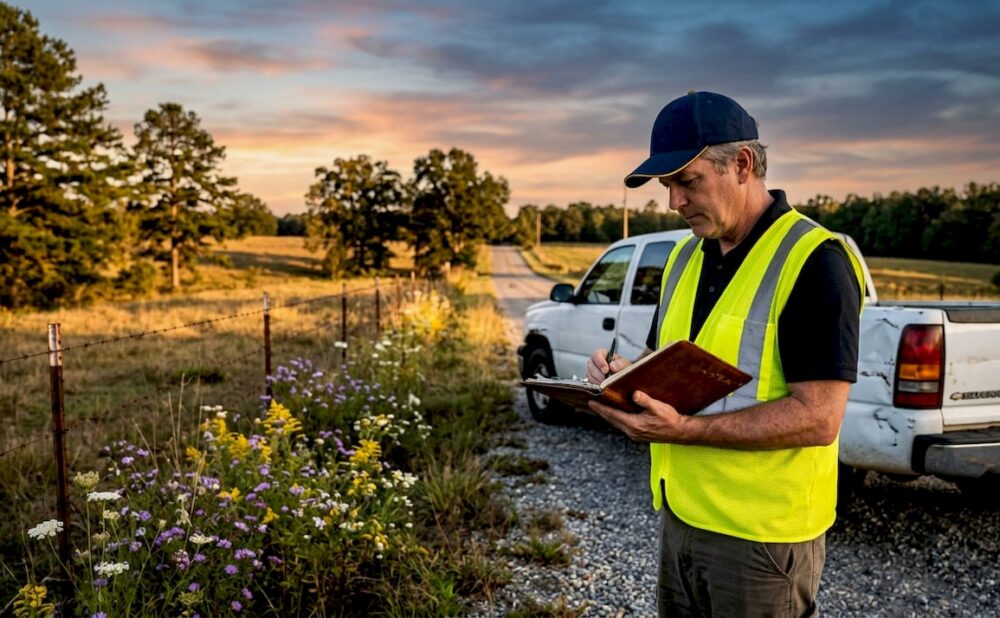
- Poor road conditions as a variable. Potholes, missing signage, and unmarked curves are common on rural Georgia roads. These factors complicate fault analysis because they introduce a third potential source of liability.
- Evidence disappears quickly. Rain, traffic, and time destroy physical evidence within hours. Early evidence collection is not optional; it is the foundation of your case.
Defense attorneys know these weaknesses. Without strong physical proof, they can reshape the narrative of the crash to increase your assigned fault percentage. That is why accident reconstruction experts matter so much in rural cases.
Pro Tip: Hire an accident reconstruction expert as early as possible. Without one, the defense controls the story. With one, you have a credible technical account of exactly how the crash occurred.
How do weather and road conditions influence liability in rural Georgia?
Adverse weather does not excuse negligence. Drivers have a legal duty to adjust their speed and behavior when roads are wet, foggy, or icy. Failing to do so increases their fault percentage, regardless of the conditions. Georgia courts apply this standard consistently.
Road conditions introduce a second layer of liability. When a crash happens on a poorly maintained rural road, fault can be split among multiple parties. Consider this example drawn from Georgia case law:
| Party | Fault scenario | Assigned fault |
|---|---|---|
| Speeding driver | Driving too fast for wet conditions | 60% |
| Other driver | Failure to yield at intersection | 30% |
| Government agency | Inadequate signage at curve | 10% |
That 10% assigned to the government agency is recoverable, but only if you follow Georgia’s ante litem notice requirement. Georgia law requires notice to government entities within 6–12 months before you can sue them for road maintenance failures. Missing that window permanently bars your claim against the agency, even when their liability is clear.
Government liability in rural Georgia is real and often overlooked. County road departments, the Georgia Department of Transportation, and contracted maintenance companies can all carry fault for accidents caused by road defects. Ante litem notice compliance is not a technicality. It is a hard legal prerequisite. An attorney who handles rural Georgia personal injury cases will know these deadlines and act on them immediately.
What steps protect your rights after a rural Georgia accident?
Acting quickly after a rural crash protects your compensation rights. The steps you take in the first 24–72 hours shape the strength of your entire claim.
- Document everything at the scene. Photograph vehicle positions, road conditions, skid marks, signage, and any visible injuries. These images may be the only objective record of what happened.
- Collect witness information. Names and phone numbers of anyone who saw the crash are valuable. Even a passing driver who stopped briefly can provide a supporting statement.
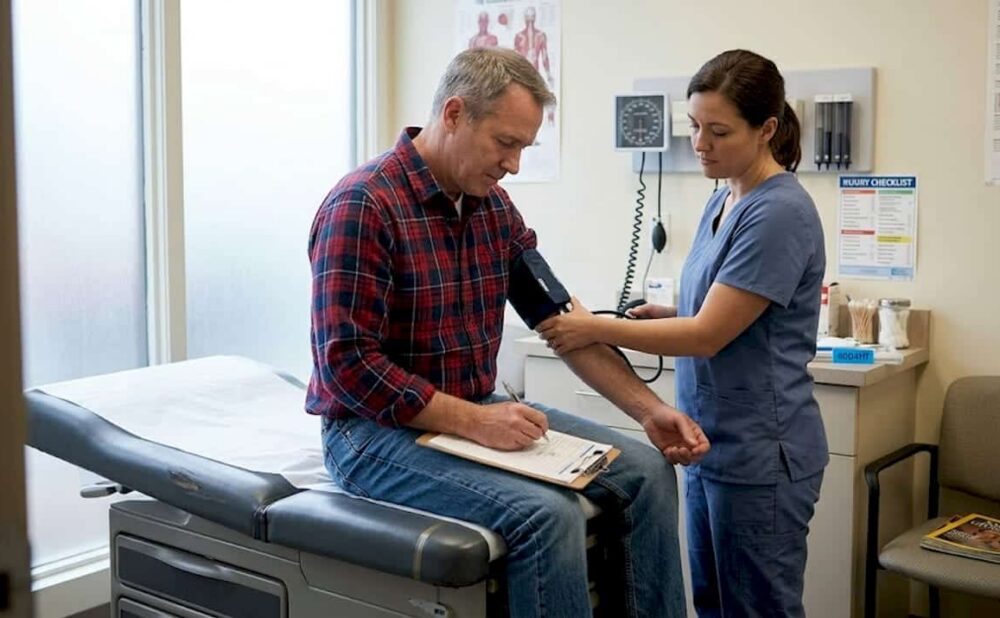
- Seek medical attention immediately. Gaps in medical treatment give insurers grounds to argue your injuries were not caused by the crash. Medical records are direct evidence of harm.
- Say nothing about fault. Do not apologize, speculate, or agree with any characterization of what happened. Fault is a legal conclusion, not a social courtesy.
- Understand your filing deadlines. Georgia’s general statute of limitations for personal injury claims is two years from the date of the accident. Government entity claims require ante litem notice within 6–12 months. Missing either deadline ends your case.
- Retain a personal injury attorney early. An attorney can preserve evidence, engage reconstruction experts, and handle adjuster communications before any damaging admissions occur.
Georgia’s minimum liability insurance requirements are $25,000 bodily injury per person, $50,000 per accident, and $25,000 property damage. Serious rural accidents routinely produce costs that exceed those limits, making it critical to identify every liable party and every available insurance policy.
Key Takeaways
Rural Georgia accident liability is governed by O.C.G.A. § 51-12-33, which reduces compensation by fault percentage and bars recovery at 50% fault or above.
| Point | Details |
|---|---|
| Modified comparative negligence | Georgia bars recovery at 50% fault; every percentage point below that directly reduces your award. |
| Rural evidence challenges | No cameras, few witnesses, and delayed law enforcement make early documentation and expert involvement critical. |
| Government liability | Road defects can shift fault to agencies, but ante litem notice within 6–12 months is required to preserve that claim. |
| Adjuster risk | Admissions at the scene or during adjuster calls can push your fault into the 40–49% danger zone. |
| Act fast | Georgia’s two-year statute of limitations and shorter government notice deadlines make prompt legal action non-negotiable. |
What I’ve learned about rural Georgia liability cases
Rural accident cases reveal a pattern that I find genuinely troubling. Insurance adjusters move fast precisely because rural scenes produce thin evidence. They know that without witnesses or cameras, a claimant’s account is easier to challenge. The 40–49% fault range is where they aim. Push a claimant’s fault from 30% to 49% and you cut their recovery nearly in half without triggering the 50% bar that would make the manipulation obvious.
The clients who fare best are the ones who treat the accident scene like a legal proceeding from the first minute. They photograph everything, say nothing about fault, and call an attorney before speaking to any adjuster. The clients who struggle are the ones who apologize at the scene, give recorded statements without counsel, and wait weeks before seeking legal help. By then, the evidence is gone and the adjuster has a recorded admission.
Accident reconstruction experts change the dynamic entirely in rural cases. A qualified expert can reconstruct speed, impact angles, and road conditions from physical evidence that most people would overlook. That technical account is far harder for a defense attorney to dismiss than a claimant’s personal recollection. Early expert involvement is not a luxury in rural Georgia cases. It is the single most effective way to level the playing field when physical evidence is scarce.
If your accident involved a road defect, act on the ante litem notice deadline before anything else. That clock starts running on the day of the crash, and missing it permanently closes the door on government liability, regardless of how strong your case is.
— Ali
Jewkesfirm: trusted legal help for rural Georgia accident claims
Rural Georgia accident claims require attorneys who understand modified comparative negligence, government liability deadlines, and the evidentiary gaps that define rural crash scenes. Jewkesfirm handles exactly these cases for clients across South Atlanta and surrounding Georgia counties.

Jewkesfirm works on a contingency fee basis. You pay nothing unless they win your case. The firm’s attorneys act quickly to preserve evidence, engage reconstruction experts, and handle all adjuster communications so your fault percentage stays as low as the facts allow. If your accident involved a road defect or government negligence, Jewkesfirm knows the ante litem notice requirements and will file them on time. Contact Jewkesfirm today for a FREE CONSULTATION and find out what your rural Georgia accident claim is worth.
FAQ
What is rural Georgia accident liability?
Rural Georgia accident liability is the legal responsibility assigned after a crash on a rural road in Georgia. It is determined under O.C.G.A. § 51-12-33, which uses modified comparative negligence to reduce or eliminate compensation based on each party’s fault percentage.
What happens if I am partly at fault in a Georgia accident?
Your compensation is reduced by your fault percentage. A driver who is 30% at fault in a $100,000 claim recovers $70,000. At 50% fault, recovery is barred entirely under Georgia law.
Can I sue the government for a road defect that caused my rural accident?
Yes, but Georgia law requires you to file an ante litem notice with the responsible government entity within 6–12 months of the accident. Missing this deadline permanently bars your claim against that agency.
How long do I have to file a rural Georgia personal injury claim?
Georgia’s statute of limitations for personal injury claims is two years from the date of the accident. Government entity claims carry a shorter notice deadline of 6–12 months, making prompt legal action critical.
Does Georgia require drivers to carry liability insurance?
Georgia requires minimum liability coverage of $25,000 bodily injury per person, $50,000 per accident, and $25,000 property damage. Serious accidents frequently produce costs that exceed these minimums, which is why identifying all liable parties matters.
Recommended
- Georgia Auto Accident Liability: 50% Fault Rule Explained
- Liability Insurance Explained: Key Protection After Accidents
- Train accident liability in Georgia: Your legal guide
- Maximize your accident compensation in Georgia: step-by-step