
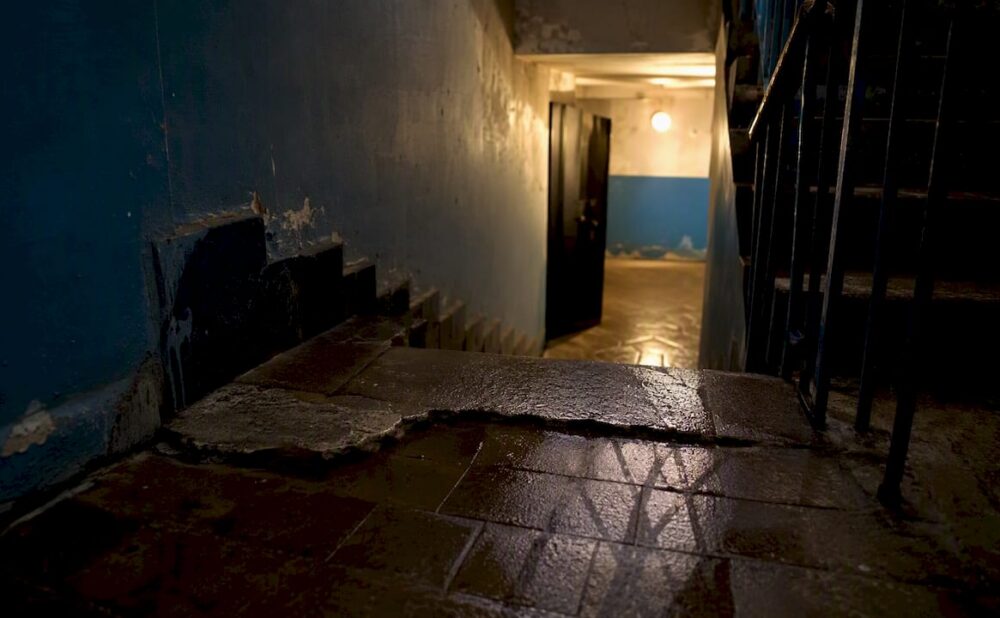
If you slipped and fell in your Atlanta apartment complex because of a hazard the property knew about and ignored, you likely have a viable claim. The verdict depends on three things: who controlled the area where you fell, whether management had notice of the hazard, and how much of the blame lands on you. Under Georgia’s modified comparative negligence rule, you can still recover damages even if you were partly at fault, as long as your share of the blame is under 50%. Cross that line and you recover nothing.
You also have a clock running. Georgia law gives you two years from the date of your injury to file most personal injury claims, per Ga. Code § 9-3-33. That sounds generous until you realize evidence disappears in weeks, not years. Wet floor signs get thrown away. Security footage gets overwritten. Witnesses move out.
Here’s what to do right now, in order:
- Get medical care immediately. A doctor’s record creates the first official link between the fall and your injuries, and delayed treatment gives insurers an excuse to argue you weren’t really hurt.
- Preserve the evidence. Photograph the hazard, your injuries, and the surrounding area before anyone cleans it up. Get names and phone numbers from anyone who saw what happened.
- Report it to property management in writing and request a copy. A verbal report with no paper trail is easy for a landlord to dispute later.
Pro Tip: Ask the leasing office for a copy of your incident report before you leave the building. Many complexes “lose” these once a lawyer gets involved.
Key Takeaways
- Seek medical care immediately and keep every record.
- Photograph the hazard and collect witness contact information before it disappears.
- Report the fall to property management in writing and request a copy.
- Remember Georgia bars recovery if your fault reaches 50% or more.
- File within two years of the injury under Ga. Code § 9-3-33, though limited exceptions can apply in special situations, so a quick consult is worth it if your timeline is unusual.
| Point | Details |
|---|---|
| Two-year filing deadline | Georgia requires most injury claims filed within two years of the fall. |
| Comparative negligence cap | You lose all recovery if you’re 50% or more at fault for the fall. |
| Landlord control matters | Common areas stay under landlord duty even when your lease shifts unit repairs to you. |
| Constructive notice wins cases | Complaint logs and missing inspection records proved decisive in Pollard v. Deloach. |
| Jewkesfirm consultation | Offers free consults and contingency representation, starting evidence preservation immediately. |
Table of Contents
- Step-By-Step Process for Filing a Premises Liability Lawsuit in Atlanta
- How Your Lease Affects Who’s Liable
- Where to Get Local Help in Atlanta
- Why Local Atlanta Experience Changes the Outcome
- How The Jewkes Firm Investigates Your Apartment Fall Claim
- Statutes and Cases Behind Your Apartment Fall Claim
- Sources
Step-By-Step Process for Filing a Premises Liability Lawsuit in Atlanta
Filing a lawsuit isn’t the first move, it’s usually the last one, after negotiation stalls. Here’s how the process typically unfolds for an Atlanta apartment injury claim.
First comes investigation. Your attorney gathers medical records, incident reports, maintenance logs, and witness statements to establish what the property knew and when. Second, a demand letter goes to the landlord’s insurer, laying out liability and damages. Third, negotiation happens, most claims settle here without ever reaching a courtroom.

If the insurer won’t offer fair value, the case moves to litigation. Your attorney files a complaint in the appropriate Georgia superior or state court, naming the property owner or management company as defendants. Discovery follows: depositions, document requests, expert testimony on the hazard and your injuries. Most cases still settle during this phase, but if the insurer digs in, the case proceeds to trial before a judge or jury.
Georgia’s general premises liability standard requires an owner or occupier to exercise ordinary care in keeping the property safe for invitees, and liability often turns on whether the landlord had notice of the dangerous condition.
How Your Lease Affects Who’s Liable
Your lease matters more than most tenants realize. Georgia law draws a sharp line based on control. Once a landlord has fully handed over possession of a unit, they’re generally not responsible for hazards inside that unit caused by tenant negligence. But the landlord stays on the hook for defective construction and failure to make repairs, regardless of what the lease says.

This distinction is why where you fell matters as much as how. A broken step inside your own apartment that you never reported is a different case than a crumbling staircase in a common hallway that dozens of tenants have complained about. Common areas, stairwells, parking lots, and pool decks stay under landlord control, and that’s where most strong apartment claims arise.
Some leases include clauses attempting to waive the landlord’s liability or shift maintenance duties onto tenants. Georgia courts don’t always honor these waivers, especially when they conflict with the landlord’s statutory repair obligations. Don’t assume your lease language settles the question. Bring it to an attorney and let them read it against the actual facts of your fall.
Where to Get Local Help in Atlanta
You don’t have to figure this out alone, and you shouldn’t wait until you’re desperate to ask for help. The Atlanta Legal Aid Society offers free civil legal assistance to qualifying low-income residents, including some housing and tenant-related matters. The Georgia Tenant Resource Center and Atlanta’s tenant advocacy organizations can help you understand your rights as a renter separate from your injury claim.
For the injury claim itself, most Georgia personal injury firms, including Jewkesfirm, offer free consultations with no obligation. That first conversation costs you nothing and can tell you within minutes whether you have a case worth pursuing.
Why Local Atlanta Experience Changes the Outcome
Apartment slip-and-fall cases in Georgia live or die on one question: did the landlord know, or should they have known, about the hazard before you got hurt? That’s the doctrine of constructive notice, and it’s where general premises liability law under OCGA § 51-3-1 collides with the landlord-tenant carve-outs in OCGA § 44-7-14.
Landlords lean on a handful of predictable defenses. They’ll argue the hazard was open and obvious, that you should have seen it. They’ll argue the area belonged to the tenant’s exclusive control, not theirs. They’ll argue they had no notice at all. Georgia courts have made clear that an open-and-obvious hazard doesn’t automatically bar recovery, it just gets weighed into the comparative negligence analysis.
Atlanta apartment complexes generate a specific kind of paper trail: work orders, tenant complaint logs, third-party inspection contracts, maintenance vendor invoices. Knowing which records to subpoena, and which property management companies routinely skip inspections, is the difference between a demand letter that gets ignored and one that gets paid.
In Margie Pollard v. Greg Deloach, Georgia’s Court of Appeals found a genuine factual dispute over a landlord’s constructive knowledge of a dangerous staircase, driven largely by tenant complaints and the absence of regular inspections. That’s not an outlier. It’s the pattern that shows up again and again once you know where to look.
How The Jewkes Firm Investigates Your Apartment Fall Claim
If you’ve read this far, you already know your claim probably hinges on evidence that’s disappearing right now. Jewkesfirm offers a free consultation, and if we take your case, you pay nothing unless we win.

In the first 30 to 90 days, we move fast: pulling your medical records, sending preservation letters to the property manager and their insurer so evidence can’t conveniently vanish, inspecting the site ourselves, and locking down witness statements before memories fade. That early work is often what separates a denied claim from a paid one, and you can read more about how settlement negotiations typically unfold once that groundwork is done.
Bring what you have to your consultation, even if it feels incomplete:
| What to Bring | Why It Matters |
|---|---|
| Photos of the hazard | Shows the condition before it gets repaired or removed |
| Medical records | Links your injury directly to the fall |
| Copy of your lease | Clarifies who controlled the area where you fell |
| Incident report | Creates an official record with the property |
| Witness names and numbers | Backs up your version of events independently |
Get your free case review started today, before the evidence you need slips away.
Statutes and Cases Behind Your Apartment Fall Claim
| Source | What It Covers |
|---|---|
| OCGA § 44-7-14 | Limits landlord liability once possession transfers, except for defective construction or repair failures |
| OCGA § 9-3-33 | Sets the two-year filing deadline for personal injury claims |
| OCGA § 51-3-1 | Establishes the ordinary-care standard owners owe to invitees |
Three appellate decisions shape how these statutes play out in real apartment cases. Pollard v. Deloach shows how missing inspection records and tenant complaints create a jury question on constructive knowledge. Loveless v. GSH Investments illustrates the risk a new owner takes by relying on tenants to self-report maintenance issues instead of running its own inspections. For a broader look at how common landlord defenses like “open and obvious” hold up in court, this premises liability overview breaks down the notice issues that come up again and again.
For deeper reading on your own claim:
- Slip and fall liability in Georgia: your guide
- Evidence checklist for Georgia slip and fall claims
- Georgia’s statute of limitations, explained
This article is general information, not a substitute for advice from a qualified lawyer. Consult a qualified legal professional about your own circumstances before acting on anything here.
Sources
- Georgia Slip and Fall Claims and the Statute of Limitations
- Margie Pollard v. Greg Deloach, Court of Appeals of Georgia (2024)